
Bathing your dog is an essential part of their grooming routine, but many pet owners wonder if they can save time and use their own shampoo on their furry friend. Let’s dive into the critical facts and tips you need to know to keep your dog’s skin and coat healthy.
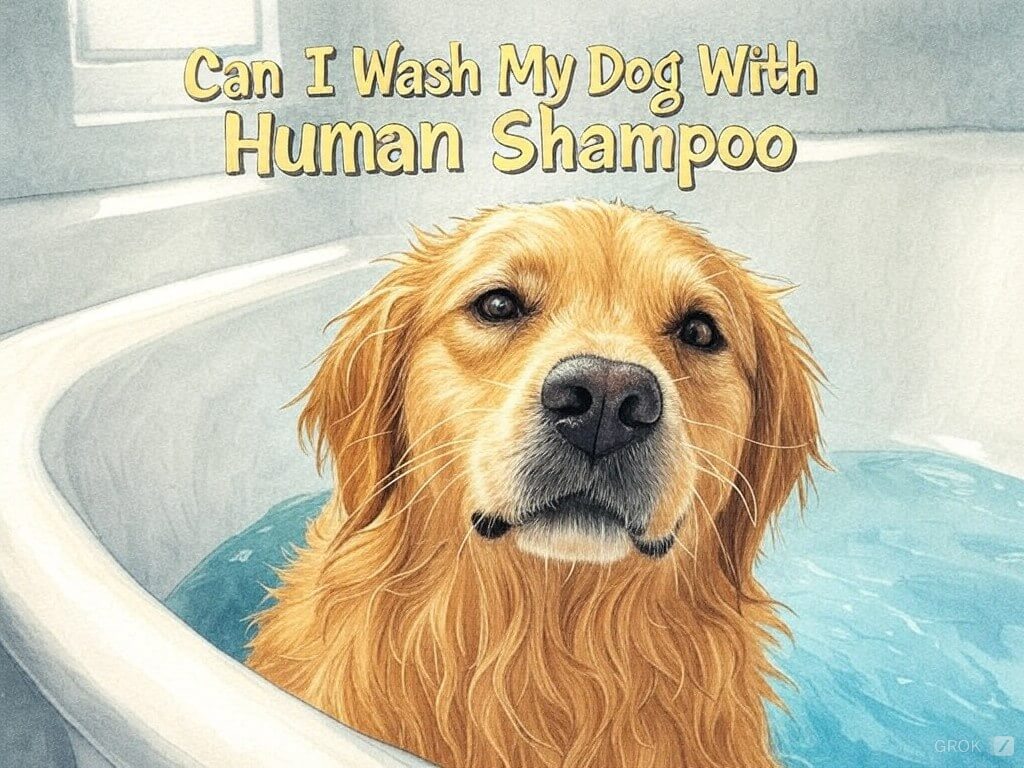
Key Takeaways: Quick Answers About Using Human Shampoo on Dogs 📝
- Can you wash your dog with human shampoo? No, it is not recommended due to differences in skin pH and composition.
- What’s wrong with human shampoo? It disrupts your dog’s pH balance, causing skin irritation and dryness.
- What are the risks of using human shampoo? Irritation, flaky skin, and increased risk of infections.
- How is dog skin different from human skin? Dogs have fewer skin layers and a neutral pH, while humans have acidic skin.
- What should you use instead? Dog-specific shampoos designed for their unique needs.
- Can you use baby shampoo on dogs? In emergencies, yes, but only as a short-term solution.
- How often should you bathe your dog? Depends on the breed, activity level, and skin type—consult your vet.
- What are the best shampoos for sensitive skin? Oatmeal, aloe, and hypoallergenic formulas are ideal.
- Are there alternatives to shampoo? Yes, waterless sprays and grooming wipes can work in between baths.
- What if my dog has a skin condition? Use vet-prescribed medicated shampoos for targeted treatment.
1. Why Can’t I Use Human Shampoo on My Dog? 🤔
Human shampoo is designed for an acidic skin pH (~5.5), while dogs have a more neutral pH (~7.5). This mismatch can disrupt your dog’s skin barrier, leading to irritation and dryness.
| Aspect | Humans | Dogs | 💡 Tip |
|---|---|---|---|
| Skin Layers | 10–15 | 3–5 | Use shampoos that respect your dog’s delicate skin. |
| pH Balance | Acidic (~5.5) | Neutral (~7.5) | Choose dog-specific shampoos for pH compatibility. |
| Natural Oils | More resilient to stripping | Easily stripped by harsh shampoos | Avoid over-bathing or using human products. |
💡 Expert Advice: Stick to shampoos formulated specifically for dogs to maintain their skin health and natural defenses.
2. What Are the Risks of Using Human Shampoo on Dogs? ⚠️
Using human shampoo can lead to a range of skin issues, some of which may require veterinary attention.
| Risk | How It Affects Dogs | 💡 Tip |
|---|---|---|
| Skin Irritation | Causes redness, itching, and discomfort. | Look for signs like excessive scratching or licking. |
| Dryness and Flaking | Strips natural oils, leading to dandruff. | Moisturize with dog-safe conditioners or sprays. |
| Bacterial or Fungal Infections | Weakens skin barrier, making infections more likely. | Address issues promptly with medicated shampoos. |
💡 Caution: Even a single use of human shampoo can disrupt your dog’s skin balance—monitor closely for any signs of irritation.
3. Can You Use Baby Shampoo on Dogs in Emergencies? 🍼
Baby shampoo is milder than regular human shampoo and can be used in emergencies due to its gentler formula. However, it should not replace dog-specific shampoos for regular use.
| Feature | Why It’s Safer | 💡 Tip |
|---|---|---|
| Gentle Ingredients | Less likely to irritate than adult shampoo. | Choose unscented, hypoallergenic formulas. |
| Still pH Mismatch | Not ideal for long-term use. | Use only until you can get dog shampoo. |
| Emergency Use Only | Should not replace proper dog shampoos. | Follow up with a dog-specific bath soon. |
💡 Emergency Insight: Keep a bottle of dog shampoo handy to avoid relying on alternatives.
4. What Should I Use to Wash My Dog Instead? 🛁
Dog-specific shampoos are tailored to match your dog’s pH and skin sensitivity. Look for products with natural, soothing ingredients.
| Recommended Product | Why It’s Ideal | 💡 Tip |
|---|---|---|
| Oatmeal Shampoos | Soothe itchy or sensitive skin. | Ideal for dogs with allergies or dry skin. |
| Aloe Vera Shampoos | Hydrate and calm irritated skin. | Use for post-itch relief or redness. |
| Medicated Shampoos | Treat infections or conditions like mange. | Use under veterinary guidance. |
💡 Product Insight: Always read labels to ensure the shampoo is free from harmful chemicals like sulfates or parabens.
5. How Often Should You Bathe Your Dog? 🗓️
Bathing frequency depends on your dog’s breed, lifestyle, and skin condition. Over-bathing can strip oils, while under-bathing may lead to odor or skin issues.
| Dog Type | Recommended Frequency | 💡 Tip |
|---|---|---|
| Short-Haired Breeds | Every 4–6 weeks. | Brush regularly to remove loose hair and debris. |
| Long-Haired Breeds | Every 3–4 weeks. | Condition fur to prevent tangling and dryness. |
| Dogs with Skin Conditions | As prescribed by your vet. | Use medicated shampoos as directed. |
💡 General Rule: Adjust frequency based on your dog’s needs and consult your vet for personalized advice.
6. Are There Alternatives to Shampoo for Quick Cleanups? 🧴
Yes! When your dog doesn’t need a full bath, consider alternatives like grooming wipes or waterless shampoos.
| Alternative | How It Helps | 💡 Tip |
|---|---|---|
| Grooming Wipes | Remove dirt and odors without water. | Use for paws, face, and quick cleanups. |
| Waterless Shampoos | Foam or spray formulas for spot cleaning. | Choose alcohol-free options for sensitive skin. |
| Dry Bath Sprays | Neutralize odors and refresh coat. | Great for in-between grooming sessions. |
💡 Convenience Insight: Keep these products on hand for travel or post-walk cleanups.
7. What Should I Do If My Dog Has a Skin Condition? 🩺
Dogs with conditions like dermatitis, mange, or fungal infections require specialized care. Use vet-prescribed medicated shampoos to target the issue.
| Condition | Recommended Treatment | 💡 Tip |
|---|---|---|
| Dermatitis | Anti-inflammatory shampoos. | Look for oatmeal or aloe-based products. |
| Fungal Infections | Antifungal shampoos (e.g., ketoconazole). | Follow exact vet instructions for use. |
| Parasites (e.g., Mange) | Antiparasitic shampoos. | Pair with oral or topical treatments for full effect. |
💡 Vet Tip: Always complete the full course of medicated shampoos, even if symptoms improve quickly.
Quick Recap 📝
| Question | Answer |
|---|---|
| Can you use human shampoo? | ❌ No, it’s harmful to your dog’s skin. |
| What’s the best alternative? | ✅ Dog-specific shampoos. |
| Can you use baby shampoo? | 🍼 Only in emergencies. |
| How often should you bathe? | 🗓️ Every 3–6 weeks, depending on the dog. |
| What about skin conditions? | 🩺 Use vet-prescribed shampoos. |
By using the right products and understanding your dog’s unique skin needs, you can ensure their coat stays healthy, clean, and irritation-free. Stick to dog-specific shampoos and consult your vet for personalized care recommendations! 🐾
Comment 1: “What happens if I accidentally used human shampoo on my dog?”
If human shampoo is accidentally used on your dog, the immediate effects depend on their skin sensitivity and the specific shampoo formula. You may notice minor irritation or dryness after a single use, but prolonged use could lead to more significant issues.
| Effect | Why It Happens | 💡 Tip |
|---|---|---|
| Skin Irritation | pH imbalance disrupts the skin’s barrier. | Rinse thoroughly and monitor for redness or itching. |
| Dryness or Flaking | Strips natural oils, causing dandruff. | Apply a dog-safe conditioner or soothing spray. |
| Long-Term Sensitivity | Repeated use weakens skin resilience. | Return to dog-specific products immediately. |
💡 Recovery Advice: If irritation persists, use an oatmeal-based dog shampoo for the next bath to soothe the skin, and consult your vet if symptoms worsen.
Comment 2: “Why is pH balance so important for dog skin?”
The pH balance of dog skin is critical because it protects the skin’s natural barrier, preventing irritation and infection. A mismatch in pH from using human shampoo can disturb this balance.
| Aspect | Dog’s Skin pH | Effect of Imbalance | 💡 Tip |
|---|---|---|---|
| Natural Protection | Neutral (~7.5) | Weakens, making skin more vulnerable. | Use shampoos specifically labeled “pH-balanced for dogs.” |
| Bacterial Flora | Maintains healthy bacteria on the skin. | Overgrowth of harmful bacteria or yeast. | Look for antibacterial or antifungal formulas if needed. |
| Oil Production | Keeps skin moisturized. | Strips oils, leading to dryness or irritation. | Avoid over-bathing and always moisturize. |
💡 Expert Note: Healthy skin pH is your dog’s first line of defense—using pH-appropriate products preserves this natural barrier.
Comment 3: “Can I use human conditioner on my dog after using human shampoo?”
Using human conditioner on your dog compounds the issue caused by human shampoo. Conditioners designed for humans often contain heavy fragrances and ingredients unsuitable for dogs, further disrupting their skin’s balance.
| Human Conditioner Effect | Impact on Dog’s Skin | 💡 Tip |
|---|---|---|
| Harsh Ingredients | Can irritate sensitive skin. | Avoid products with parabens or sulfates. |
| Heavy Fragrances | Overwhelming and irritating for dogs. | Opt for fragrance-free, dog-specific options. |
| Ineffective Moisturizing | Does not cater to canine skin needs. | Use dog-safe conditioners with aloe or oatmeal. |
💡 Grooming Insight: Dog-specific conditioners are designed to rehydrate and soothe their skin—stick to these for optimal results.
Comment 4: “Are there natural alternatives to dog shampoo?”
Yes, natural alternatives like DIY shampoos using safe, household ingredients can be used in emergencies. These solutions are mild and less likely to irritate your dog’s skin.
| Natural Alternative | How It Helps | 💡 Tip |
|---|---|---|
| Diluted Apple Cider Vinegar | Balances skin pH and removes odors. | Use a 1:4 ratio of vinegar to water; avoid open wounds. |
| Baking Soda Paste | Neutralizes odors and soothes itchy skin. | Mix baking soda with water; rinse thoroughly. |
| Oatmeal Bath | Hydrates and calms irritated skin. | Blend ground oatmeal with water into a paste. |
💡 DIY Advice: While natural alternatives are safe for occasional use, a proper dog shampoo is essential for regular grooming.
Comment 5: “What should I do if my dog develops dandruff after using human shampoo?”
Dandruff can result from the loss of natural oils due to the harsh effects of human shampoo. Address it promptly with moisturizing treatments.
| Cause of Dandruff | How It Happens | 💡 Tip |
|---|---|---|
| Stripped Natural Oils | Shampoo removes protective oils. | Use a dog-safe oatmeal or aloe shampoo to restore moisture. |
| Skin pH Imbalance | Disrupts the skin’s ability to self-regulate. | Apply a dog-friendly conditioning spray post-bath. |
| Prolonged Irritation | Leads to flaky, dry skin. | Schedule a vet visit if dandruff persists or worsens. |
💡 Grooming Routine Insight: Regular brushing and moisturizing sprays can help restore balance and prevent future dandruff.
Comment 6: “Can over-bathing with human shampoo cause long-term problems?”
Yes, over-bathing with human shampoo can lead to chronic skin issues, including recurring infections and allergies.
| Long-Term Issue | Why It Happens | 💡 Tip |
|---|---|---|
| Recurrent Infections | Weakens the skin’s natural defenses. | Monitor for hot spots or redness and treat promptly. |
| Allergies | Sensitizes the skin to irritants. | Transition to hypoallergenic dog shampoos. |
| Coat Damage | Leaves fur brittle and dull. | Use dog-safe conditioners for added hydration. |
💡 Preventive Advice: Limit baths to once every 3–6 weeks, depending on your dog’s breed and lifestyle.
Comment 7: “Can dog-specific shampoos help with shedding?”
While no shampoo stops shedding entirely, some are designed to reduce loose fur and improve coat health, minimizing excessive shedding.
| Feature | How It Helps | 💡 Tip |
|---|---|---|
| Coat Strengthening | Nourishes hair to reduce breakage. | Use shampoos with omega fatty acids or keratin. |
| Loose Fur Removal | Loosens shedding fur during baths. | Combine with regular brushing post-bath. |
| Skin Health Maintenance | Prevents irritation that worsens shedding. | Address underlying skin issues with medicated shampoos. |
💡 Coat Care Tip: Pair de-shedding shampoos with tools like grooming gloves or slicker brushes for maximum effectiveness.
Comment 8: “Are there specific shampoos for dogs with allergies?”
Yes, hypoallergenic shampoos are available to soothe irritated skin and avoid triggering allergic reactions. These are especially beneficial for dogs with food or environmental allergies.
| Feature | Benefit | 💡 Tip |
|---|---|---|
| Fragrance-Free | Reduces risk of irritation. | Look for “fragrance-free” or “unscented” on the label. |
| Natural Ingredients | Soothes skin with minimal additives. | Oatmeal, aloe vera, and chamomile are ideal choices. |
| Medicated Options | Treats conditions like fungal infections. | Use under vet supervision for chronic issues. |
💡 Allergy Insight: Always patch test new shampoos to ensure they don’t irritate your dog’s skin.
Comment 9: “How can I maintain my dog’s coat between baths?”
Between baths, regular grooming and targeted products can keep your dog’s coat clean and healthy.
| Method | How It Helps | 💡 Tip |
|---|---|---|
| Brushing | Removes loose hair and dirt. | Brush according to coat type (e.g., daily for long-haired dogs). |
| Grooming Wipes | Cleans minor dirt and refreshes fur. | Use unscented wipes for sensitive areas like paws or face. |
| Waterless Shampoos | Freshens coat without full baths. | Choose alcohol-free options to avoid dryness. |
💡 Routine Insight: Consistent grooming reduces the need for frequent baths while maintaining coat health.
Comment 10: “What signs indicate my dog needs a bath?”
Dogs don’t need baths as often as humans, but certain signs signal it’s time for a wash.
| Sign | What It Means | 💡 Tip |
|---|---|---|
| Odor | Accumulated dirt or oils. | Use a dog shampoo with deodorizing properties. |
| Dirty Fur | Visible dirt or grease in the coat. | Bathe promptly to avoid skin irritation. |
| Excessive Scratching | Possible itch from allergens or dirt. | Rinse thoroughly and check for underlying issues. |
💡 Hygiene Note: Follow a grooming schedule tailored to your dog’s specific breed and activity level.
Comment 11: “What types of dogs benefit from frequent baths?”
Frequent baths are beneficial for specific breeds and situations, especially dogs with oily coats, active outdoor lifestyles, or certain skin conditions. However, over-bathing should still be avoided to prevent stripping natural oils.
| Dog Type | Why Frequent Baths Are Beneficial | 💡 Tip |
|---|---|---|
| Oily-Coated Breeds (e.g., Basset Hounds) | Naturally produce more oils, leading to odor. | Use shampoos specifically designed for oily coats. |
| Active Dogs (e.g., Labs, Border Collies) | Often exposed to dirt, mud, and debris. | Rinse with water between baths to prevent buildup. |
| Dogs with Skin Conditions | Require medicated baths as part of treatment. | Follow your vet’s prescribed bathing schedule. |
💡 Grooming Insight: Even for these breeds, use moisturizing or targeted shampoos to maintain healthy skin balance.
Comment 12: “Can seasonal changes affect how often I should bathe my dog?”
Yes, seasonal changes impact your dog’s coat and skin needs. Adjust bathing frequency based on environmental conditions and your dog’s activity levels.
| Season | Impact on Dog’s Skin and Coat | 💡 Tip |
|---|---|---|
| Winter | Dry air can cause skin to flake or crack. | Use moisturizing shampoos and conditioners. |
| Spring | Increased allergens like pollen may cling to fur. | Bathe more often to reduce allergen buildup. |
| Summer | Outdoor activities may result in dirt and odors. | Rinse with water after swims or muddy outings. |
| Fall | Shedding increases; skin may dry out. | Pair bathing with regular brushing to remove loose fur. |
💡 Seasonal Care: Adapt your grooming routine to match seasonal changes, keeping skin and coat health in mind.
Comment 13: “Are medicated shampoos safe for long-term use?”
Medicated shampoos are generally safe for long-term use, provided they’re prescribed by a veterinarian and used as directed. Overuse, however, can lead to dryness or reduced efficacy.
| Condition | Why Medicated Shampoos Help | 💡 Tip |
|---|---|---|
| Fungal Infections | Kills yeast and fungi causing irritation. | Use as prescribed; avoid skipping treatments. |
| Bacterial Infections | Treats hotspots and reduces bacterial growth. | Monitor for new symptoms or recurring infections. |
| Allergic Dermatitis | Reduces inflammation and soothes itching. | Pair with other allergy management strategies. |
💡 Vet Guidance: Rotate medicated shampoos with moisturizing formulas to prevent dryness and maintain skin balance.
Comment 14: “Can dry shampoos replace regular baths for dogs?”
Dry shampoos are a convenient option for maintaining cleanliness between baths but cannot fully replace the deep cleaning and hydration of a traditional bath.
| Aspect | Dry Shampoo | Regular Bath |
|---|---|---|
| Cleaning Power | Removes surface dirt and odor. | Cleans deeper, removing oils and allergens. |
| Moisturizing Benefits | Minimal hydration. | Replenishes natural oils with proper products. |
| Convenience | Quick and easy for in-between maintenance. | Requires more time and effort. |
💡 Pro Tip: Use dry shampoos sparingly and follow up with regular baths to maintain a balanced grooming routine.
Comment 15: “Are there specific dog breeds that require hypoallergenic shampoos?”
Breeds prone to skin sensitivities or allergies often benefit from hypoallergenic shampoos. These products are free of harsh chemicals and designed to soothe irritated skin.
| Breed | Why Hypoallergenic Shampoos Are Needed | 💡 Tip |
|---|---|---|
| Bulldogs | Sensitive skin prone to irritation. | Use oatmeal-based or fragrance-free options. |
| Retrievers | Commonly develop skin allergies. | Avoid shampoos with dyes or heavy fragrances. |
| Poodles | Dry, curly coats benefit from gentle hydration. | Condition fur regularly after using mild shampoos. |
💡 Product Choice: Look for shampoos labeled “hypoallergenic” or “dermatologist-approved” for these breeds.
Comment 16: “What role does diet play in a dog’s coat and skin health?”
A dog’s diet significantly impacts the health of their coat and skin. Nutritional deficiencies can cause dull fur, excessive shedding, or skin irritation.
| Nutrient | Benefit for Skin and Coat | 💡 Tip |
|---|---|---|
| Omega-3 Fatty Acids | Reduces inflammation and adds shine. | Add fish oil or flaxseed to your dog’s diet. |
| Protein | Supports strong, healthy fur growth. | Ensure your dog’s food includes high-quality protein. |
| Vitamins (A, E, Biotin) | Promotes skin repair and hydration. | Use supplements if advised by your vet. |
💡 Nutritional Insight: Combine a balanced diet with proper grooming for optimal skin and coat health.
Comment 17: “What’s the best way to clean sensitive areas like the face and paws?”
Sensitive areas require special care during grooming to avoid irritation or injury. Use gentle, dog-safe products and avoid harsh scrubbing.
| Area | Cleaning Method | 💡 Tip |
|---|---|---|
| Face | Use a damp cloth or grooming wipes. | Avoid getting shampoo near the eyes or ears. |
| Paws | Rinse with water or mild soap after walks. | Check for debris like pebbles or thorns. |
| Ears | Clean with vet-approved ear wipes or solution. | Never insert anything deep into the ear canal. |
💡 Grooming Insight: Always dry sensitive areas thoroughly to prevent bacterial growth or infections.
Comment 18: “Can frequent bathing help with flea prevention?”
Bathing can remove fleas from your dog’s coat, but it’s not a standalone solution. Pair baths with flea control products for effective prevention.
| Bathing Benefit | Flea Control Effect | 💡 Tip |
|---|---|---|
| Removes Fleas | Washes away live fleas and eggs. | Use flea-specific shampoos for maximum efficacy. |
| Soothes Irritated Skin | Reduces itching caused by bites. | Follow up with a moisturizing conditioner. |
| Complements Preventive Care | Enhances effectiveness of topical treatments. | Maintain a regular flea prevention routine. |
💡 Pest Control Strategy: Consult your vet for an integrated flea prevention plan combining baths, medication, and environmental control.