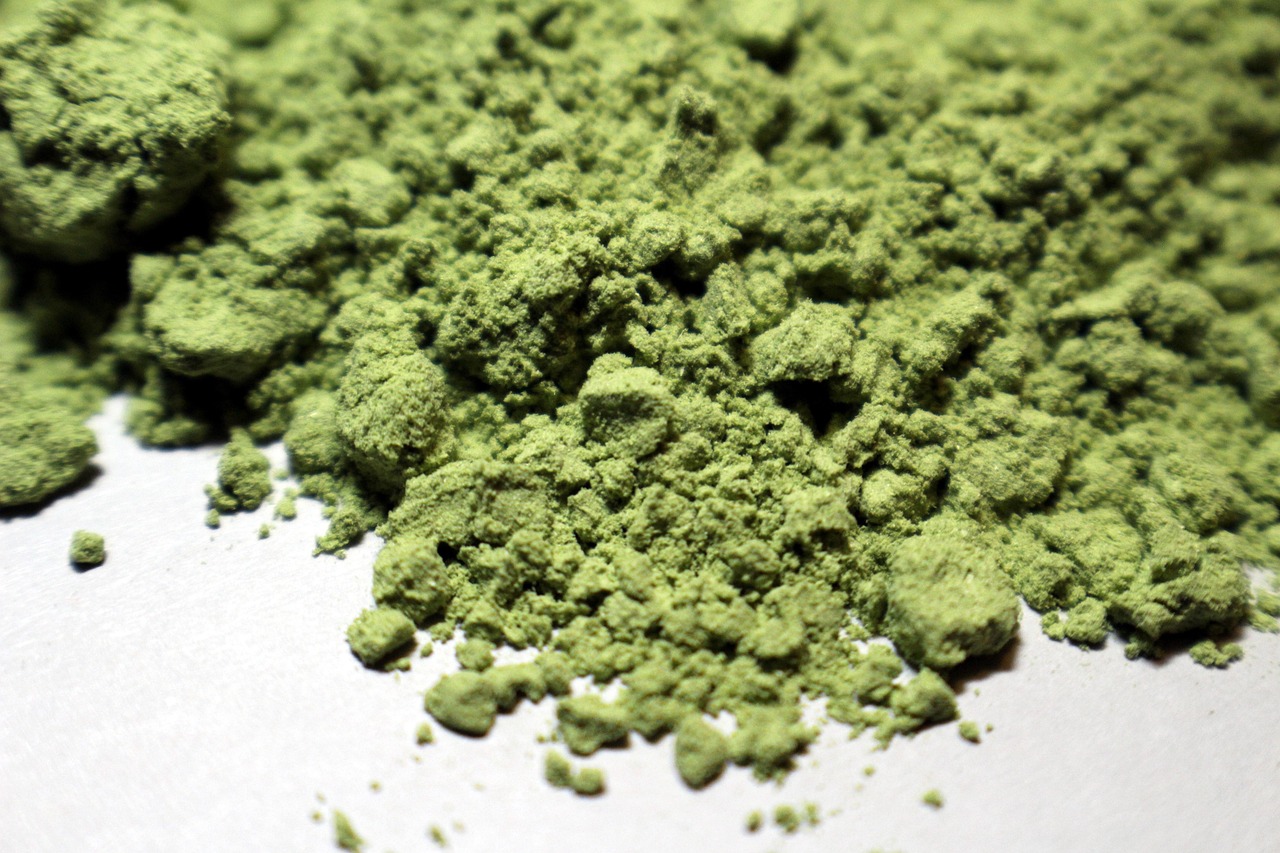

You’ve probably heard the radio ad more than once. Whether your dog is losing energy as they age, has a dull coat, or you’re just wondering what’s actually inside that green powder — this guide covers what Ruff Greens is, who it genuinely helps, what the BBB complaints are really about, and the one thing you must do before the 14-day trial clock runs out.
These are the questions dog owners search for when they can’t decide whether to try Ruff Greens. Answered directly, without making you read three paragraphs to get to the point.
- 1 What exactly is Ruff Greens and what does it actually do? Ruff Greens is a green powder you sprinkle on your dog’s existing food — one tablespoon for dogs under 40 lbs, two for dogs over 40 lbs. It’s a nutritional supplement, not a complete food. It doesn’t replace kibble. Instead, it’s designed to add what commercial dry dog food typically lacks after the manufacturing process: live vitamins and minerals from whole plant sources, beneficial bacteria (probiotics), digestive enzymes, and omega fatty acids in the ratios appropriate for dogs. The company’s core argument is that the heat and pressure used to make kibble destroys a significant portion of these nutrients — and Ruff Greens delivers them in a form that bypasses that issue.
- 2 Is the “free trial” genuinely free, or is there a catch? There is a very important catch, and it’s the source of most of the BBB complaints. You pay $9.95 for shipping and receive a trial bag at no additional cost — but you’re automatically enrolled in a monthly subscription. If you don’t cancel within 14 days of your order date, Ruff Greens ships and charges you a full 28-day supply: $59.95 for dogs under 40 lbs, or $119.95 for dogs over 40 lbs, plus $9.95 shipping. The terms are stated on the order page, but many customers don’t notice them until the charge hits. If you want to try it without the subscription commitment, mark Day 10 of your order as the cancellation reminder — call to cancel, don’t rely on the website alone.
- 3 How long does it take to see results? Most owners who report noticeable changes see them within 4–6 weeks of consistent daily use. Coat improvements tend to be among the first things noticed — shinier fur, less shedding, less dry skin. Digestive changes (firmer stools, less gas) often appear within 2–3 weeks. Energy improvements, particularly in older dogs, are frequently described within the first 2–3 weeks. Owners who try it for less than a month and report no change are typically stopping too early for most of the ingredient groups to build up systemically.
- 4 Will my dog actually eat it — or will they pick around it? This is one of Ruff Greens’ most consistently praised qualities. The majority of owners report their dogs eat food topped with Ruff Greens more eagerly than before, including picky eaters who previously left kibble in the bowl. The powder’s flavor profile — driven partly by blueberry juice powder, sweet potato, strawberry, and other whole food ingredients — appears highly palatable to most dogs. A small percentage of dogs refuse it initially; mixing a smaller amount into wet food for the first few days usually resolves acceptance issues. Rejection after initial acceptance is uncommon but documented.
- 5 Is Ruff Greens safe? Is it FDA-approved? Ruff Greens is manufactured in an FDA-registered, GMP-certified facility in the United States using human-grade, non-GMO ingredients. However, “FDA-registered” means the facility is on file with the FDA as a production site — it does not mean the FDA has evaluated or approved the specific product. This is standard for the pet supplement category, which the FDA regulates differently from drugs or AAFCO-certified pet foods. The product is 100% vegan, free of GMOs, antibiotics, hormones, fillers, artificial sweeteners, colors, and flavors. Dogs with kidney disease, liver disease, or those on veterinary prescription therapeutic diets should only use it with explicit veterinarian clearance — adding extra vitamins and minerals to a precisely calibrated prescription diet can disrupt it.
- 6 What does Ruff Greens cost per month after the trial? Dogs under 40 lbs: $59.95 + $9.95 shipping = ~$69.90 per month. Dogs over 40 lbs: $119.95 + $9.95 shipping = ~$129.90 per month. The subscription delivers every 4 weeks. There is no code required to get the trial price — the $9.95 shipping-only JumpStart offer applies automatically when you go through the trial page on ruffgreens.com. You can pause or cancel at any time by calling 214-783-3364. For large-breed dog owners, the monthly cost is a real consideration before committing.
- 7 Is it better for senior dogs than for young, healthy dogs? This is where Ruff Greens tends to deliver the most obvious, measurable results. Senior dogs benefit most because aging naturally reduces gut motility, enzyme production, and the body’s ability to absorb certain nutrients. Adding probiotics, digestive enzymes, and bioavailable vitamins back in addresses real physiological changes that happen as dogs get older. For a young healthy dog eating a quality AAFCO-verified kibble, the incremental benefit is real but harder to notice — their bodies are already absorbing nutrients efficiently. The supplement is not wasted on younger dogs; the results are simply more dramatic in seniors.
- 8 What is the return policy and what do I do if I’m not happy? Ruff Greens offers a refund only on the first 30-day supply after the trial period. Subsequent orders that have shipped are generally not refundable, even if unopened — this is the policy that generates most of the BBB complaints. If you want to return after the trial, contact them before additional orders ship. To cancel the subscription: call 214-783-3364 — multiple BBB reviewers report that online cancellation doesn’t always stop charges, so a phone call with a confirmation number is the safest approach. Keep a record of your cancellation date and confirmation.
Ruff Greens is a powdered nutritional supplement made by Ruff Greens, Inc., based in Texas. The product was developed by Dr. Dennis Black — a naturopathic doctor who previously headed Texas Superfood, a human supplement company with a similar whole-food philosophy. The underlying argument Ruff Greens makes is straightforward: the cooking process required to manufacture dry kibble — which involves extreme heat and pressure — destroys a significant portion of the naturally occurring vitamins, minerals, enzymes, and beneficial bacteria that would otherwise be present in the ingredients. Ruff Greens delivers those nutrients in a cold-processed powder that bypasses that destruction.
The company positions it as a topper — not a meal replacement — that you mix into whatever food your dog already eats. One scoop daily for smaller dogs, two for larger ones. It comes in a single formula designed to be appropriate for all adult dog breeds and sizes, all life stages, and all activity levels.
Ruff Greens is manufactured entirely in the United States at an FDA-registered, GMP (Good Manufacturing Practice) certified facility. The ingredients are sourced from non-GMO, human-grade plant materials. The product contains no animal or meat by-products — it is fully vegan. No chemically synthesized vitamins or minerals are used; all nutrients come from whole food plant sources. The company notes that ingredients are not exposed to the extreme heat or pressure that characterizes conventional pet food manufacturing.
An FDA-registered facility means the manufacturing site is on file with the U.S. Food and Drug Administration — the agency can inspect it at any time. It does not mean the FDA has tested, evaluated, or approved the specific Ruff Greens product or its health claims. Pet dietary supplements in the United States are regulated differently from both human pharmaceuticals and AAFCO-certified pet foods — they occupy a regulatory gray zone where the burden of proof for efficacy sits with the manufacturer rather than an independent federal body. That doesn’t make the product unsafe; it means you should evaluate it on the quality of its ingredient list, manufacturing credentials, and owner experience rather than assuming federal clinical validation exists.
The ingredient list is one of the genuinely strong points of this product. Here is what each major component category is, why it’s included, and what the evidence says about its usefulness for dogs.
Unlike most pet supplements that use chemically synthesized vitamins, Ruff Greens sources its 25 essential vitamins and minerals directly from whole plant foods — barley grass, wheatgrass, spirulina, spinach, kale, broccoli, sweet potato, and others. This matters because plant-based vitamins are generally more bioavailable than synthetic isolates — meaning the body absorbs and uses them more efficiently. A pharmacist reviewing the product for Dogster described the sourcing as “quality stuff” from a pharmaceutical standpoint. Key vitamins include the B complex (B3, B6, B9/folate), while key minerals include zinc, selenium, and chromium — all of which play documented roles in immune function, metabolic health, and cellular repair in dogs.
The probiotic component is the category with the strongest independent scientific support. Multiple peer-reviewed studies in veterinary literature confirm that supplementing with Lactobacillus and Bifidobacterium strains — which Ruff Greens includes — improves stool quality, reduces gastrointestinal upset, and supports immune function in dogs. Approximately 70% of a dog’s immune system is located in the gastrointestinal tract, making the gut microbiome a legitimate target for overall health support. The 15 strains in Ruff Greens represent a meaningfully broad probiotic profile compared to single-strain or two-strain products. Owners consistently report firmer stools and reduced gas as among the earliest observable changes — typically within 2–3 weeks.
Digestive enzymes — compounds that break food down into absorbable components — are naturally present in raw food but largely destroyed by the heat treatment required to manufacture dry kibble. Ruff Greens includes more than 20 plant-based digestive enzymes, including protease (for protein breakdown), lipase (for fats), and amylase (for carbohydrates). The practical effect is better nutrient extraction from the food your dog is already eating — not just from Ruff Greens itself. This is particularly relevant for senior dogs, whose own enzyme production tends to decrease with age, and for dogs with chronic loose stools that don’t have an infectious or dietary cause.
Most commercial dry dog foods contain adequate omega-6 fatty acids but relatively little EPA and DHA (the marine omega-3s associated with inflammation reduction, joint health, and coat quality). Ruff Greens provides omega-3, -6, and -9 from plant sources — primarily flaxseed — in ratios formulated for canine physiology. Dogs can convert plant-source ALA omega-3 into EPA and DHA, though less efficiently than from marine sources like fish oil. For dogs who already receive fish oil supplementation, check with your vet to avoid double-dosing omega-3s. For dogs on standard kibble with no additional omega supplementation, the addition through Ruff Greens is beneficial for coat quality, skin barrier health, and joint mobility.
Ruff Greens draws from a broad roster of whole plant foods rather than isolated synthetic compounds. The formula includes barley grass juice powder, wheatgrass, spinach, kale, broccoli, sweet potato, pumpkin, parsley, and kelp — all dense in chlorophyll, trace minerals, and antioxidants. Spirulina provides blue-green algae nutrients including plant protein, B vitamins, and iron with natural anti-inflammatory properties. Blueberry juice powder and strawberry contribute anthocyanins — potent antioxidants supporting cellular protection and, notably, the palatability that makes most dogs eat it willingly. Papaya and pineapple contribute additional natural digestive enzymes including papain and bromelain. Rice bran provides a highly digestible carbohydrate base noted for quality by pharmacist reviewers. Flaxseed delivers plant-based omega fatty acids.
One note for dogs with confirmed gluten sensitivity: the formula contains barley grass and wheatgrass. While these are grass-form rather than grain-form, dogs with clinically diagnosed gluten enteropathy should consult their vet before use. This is a small subset of dogs; routine kibble-eaters are generally not affected.
The question most people are really asking: do real dogs get real results, or is this a supplement that sounds good on paper but doesn’t change anything noticeable?
- Coat quality: The most consistently reported benefit across thousands of reviews. Shinier fur, reduced shedding, and less dry or flaky skin — typically noticed within 4–6 weeks. The omega fatty acids and whole-food vitamins driving this have documented support in veterinary literature for skin and coat health in dogs.
- Digestive improvement: Firmer stools, reduced gas, and better stool odor are among the earliest reported changes — often within 2–3 weeks. This aligns with the evidence for multi-strain probiotic supplementation in dogs.
- Energy in senior dogs: Multiple verified reviews from iHeartDogs specifically cite improved activity levels and energy in aging dogs within 2–3 weeks. Senior dogs are the most likely to experience noticeable change because the gaps being filled — enzymes, B vitamins, minerals — are the same ones that decline as dogs age.
- Picky eater palatability: Consistently praised as one of the strongest points. Dogs who refused plain kibble become more enthusiastic eaters when Ruff Greens is added — the whole-food flavors appear genuinely appealing to most dogs.
- Joint mobility in older dogs: Some owners report visible improvement in older dogs’ willingness to move, get up, and play. The omega fatty acids and anti-inflammatory plant compounds (spirulina, blueberry anthocyanins) support this observation, though it takes longer to show — typically 6–8 weeks.
- Young, healthy dogs on premium kibble: The incremental benefit is real but often imperceptible. A young dog eating a 4-star AAFCO-verified kibble with live probiotics already included (like Pro Plan) may show minimal observable change — the gaps being filled are smaller. This doesn’t mean the supplement is doing nothing; it means the baseline was already good.
- No glucosamine or chondroitin: Ruff Greens does not contain glucosamine, chondroitin, or MSM — the joint-support compounds most commonly used for dogs with arthritis or significant joint disease. If joint support is your primary goal for an aging dog, a dedicated joint supplement may need to be added alongside it.
- Plant-based omega-3 vs. marine: Dogs convert plant ALA to EPA/DHA less efficiently than from fish oil. For dogs with significant inflammatory conditions, a marine-sourced omega-3 supplement may be more clinically effective for inflammation management specifically.
- Not a treatment for diagnosed conditions: Ruff Greens is a wellness supplement, not a therapeutic product. It should never replace veterinary treatment for a diagnosed disease, and it’s not appropriate for dogs on precision therapeutic diets (kidney disease, IBD, pancreatitis) without specific vet approval.
Ruff Greens has a significant volume of complaints on file with the Better Business Bureau. Understanding what those complaints are about — and what they’re not about — matters before you order.
- Auto-subscription billing surprise: The most common complaint by far. Customers order the $9.95 trial bag and are charged $59.95–$119.95 when a full subscription bag ships within 14 days. The terms are disclosed on the order page, but they are easy to miss, especially for customers who encountered the offer through a radio or TV ad and went directly to checkout. Multiple customers report being charged at unusual hours (one BBB review notes a 1:30 a.m. charge appearing overnight).
- Cancellation difficulty: A consistent complaint is that attempting to cancel through the website doesn’t always stop future shipments. Multiple BBB reviewers report canceling online and still receiving the next order — and then struggling to get a refund. The company’s own fine print states cancellations should be made by calling 214-783-3364. The lesson here is practical: don’t rely on the website alone.
- Return policy strictness: Ruff Greens only refunds the first 30-day supply after the trial period. If you’ve received subsequent shipments — even if the product is unopened — refunds are generally not granted. Customers who didn’t cancel the subscription and received two or three shipments before noticing are typically out of luck beyond the first bag.
There are no documented BBB complaints about the product harming dogs, causing adverse reactions, or being a counterfeit or empty product. The product quality itself does not appear in the complaint pattern — the complaints are uniformly about the subscription model and billing practices. This distinction matters: the product appears to be genuine and consistent with its description. The issue is with how the trial-to-subscription conversion is managed, not with what’s inside the bag.
- Use a credit card, not a debit card. If a billing dispute arises, credit cards give you chargeback rights. Debit cards are harder to dispute and some customers report difficulty recovering funds through their bank when auto-subscription charges appeared.
- Set a calendar reminder for Day 10. The cancel window is 14 days from your order date. Day 10 gives you a buffer if the company needs a day to process it.
- Cancel by phone, not website. Call 214-783-3364 and ask for a confirmation number or email confirmation of your cancellation. Write down the date, time, and the name of the person you spoke with.
- Don’t order a bundle or Pack Pak during the trial. At least one BBB complaint in 2026 involves a $495 bundle order placed over the phone — refunds on these are not guaranteed even with immediate disputes.
These two supplements dominate the radio and online advertising space for dog powder toppers. Both are worth understanding before you commit to either. They take genuinely different approaches.
| Factor | Ruff Greens | Dinovite |
|---|---|---|
| Formula type | Broad-spectrum: vitamins, minerals, probiotics, enzymes, omegas — all-in-one | Targeted: primarily skin, coat, and allergy support; probiotics + omegas focus |
| Ingredient source | 100% vegan · human-grade · whole food plant sources | Contains dry yeast and yeast culture (caution for yeast-sensitive dogs) |
| Probiotic strains | 15 strains (Lactobacillus & Bifidobacterium) | Fewer strains · focused on digestive and skin benefit |
| Digestive enzymes | 20+ plant-based digestive enzymes | Limited enzyme profile vs. Ruff Greens |
| Omega fatty acids | Plant-based ALA (omega-3, -6, -9) | Omega-3s from flax; zinc methionine for skin specifically |
| Best suited for | Overall daily nutrition support, senior dogs, energy, coat, digestion | Dogs with primarily skin and allergy issues on a tighter budget |
| Price (small dog) | ~$69.90/month (subscription) | Less expensive per month — roughly $20 cheaper for comparable size |
| Free trial | $9.95 shipping only — 14-day cancel window | No equivalent free trial offer |
| Return policy | 30 days on first supply only | 90-day money-back guarantee |
| Yeast-sensitive dogs | Safe — no yeast ingredients | Contains yeast — may worsen yeast skin infections |
| Manufacturing | FDA-registered, GMP-certified, USA | USA-made |
Prices approximate. Always consult your veterinarian before adding any supplement to your dog’s diet.
Choose Ruff Greens if you want the most complete nutritional profile in one product, your dog has no specific allergy issue driving the purchase, you want a free trial before fully committing, or you have a senior dog losing energy and vibrancy. Choose Dinovite if your dog’s primary problem is chronic itching, skin allergies, or hot spots and your budget is a significant factor — Dinovite is more targeted for skin specifically and costs meaningfully less per month. One important caveat: Dinovite contains yeast, and dogs who itch due to a yeast skin infection — a very common cause of chronic scratching — may actually get worse on Dinovite, not better. Confirm with your vet what’s actually driving the itch before choosing a supplement to treat it.
This is probably the scenario where Ruff Greens delivers the most noticeable and consistent results. Older dogs experience measurable declines in gut enzyme production, nutrient absorption efficiency, and the diversity of the gut microbiome. Adding 15 probiotic strains, 20+ digestive enzymes, and whole-food-sourced B vitamins directly addresses the physiological changes that are likely behind what you’re seeing. Multiple owners of dogs aged 10–15 have specifically described renewed activity and energy within 2–3 weeks. Before attributing the change to nutrition alone, a wellness visit to rule out underlying medical causes of low energy is worthwhile — but for a generally healthy senior dog, the trial is low-risk at $9.95.
Recurring digestive upset without an infectious or dietary cause often reflects a microbiome imbalance — the gut flora simply aren’t in the right proportions to process food efficiently. Multi-strain probiotic supplementation is one of the most consistently supported interventions for this pattern in veterinary practice. Ruff Greens’ 15-strain formula is meaningfully stronger than single-strain probiotic chews or treats in this context. Allow 3–4 weeks of consistent daily use before evaluating. If your dog is on a prescription GI diet, consult your vet first — adding vitamins and minerals to a precisely calibrated therapeutic diet can disrupt the formula’s intended nutritional balance.
For large dogs, $130/month is a real and legitimate concern before committing. A few options to consider: First, use the $9.95 trial to verify your specific dog will eat it and that you see observable changes — there’s no reason to commit $130/month to something your dog won’t eat or that doesn’t produce visible results in 4–6 weeks. Second, if the supplement shows results but the full cost is prohibitive, ask your vet whether a targeted single-purpose supplement (a probiotic alone, or fish oil alone) could address the most pressing issue at a fraction of the cost. Third, for dogs primarily losing energy as they age, a veterinary exam first makes sense — low energy in older dogs sometimes has a diagnosable and treatable cause (hypothyroidism, pain, anemia) that no supplement will fix.
Do not add Ruff Greens — or any supplement — without explicit approval from your veterinarian. Prescription therapeutic diets for kidney disease (NF), gastrointestinal disease (EN), or urinary conditions are precisely calibrated for protein, phosphorus, mineral, and vitamin levels. Adding Ruff Greens’ 25 vitamins and minerals can disrupt those balances in clinically meaningful ways — particularly for kidney disease where phosphorus and certain vitamin levels are closely managed. This is not a theoretical concern; it applies to any supplement, not just Ruff Greens. Your vet needs to know about everything your dog eats, including supplements.
An honest answer: it depends on the kibble and the dog. If your dog is thriving — great coat, normal digestion, excellent energy for their age — and eating a 4-star or higher AAFCO-verified kibble with live probiotics already included, the incremental benefit of Ruff Greens may be small and difficult to observe. The $9.95 trial is genuinely low-risk in this scenario — try it for 6 weeks and evaluate. If your dog eats lower-quality food or is doing well but not vibrantly well, the gaps being filled are larger and the observable impact more likely. The supplement doesn’t become harmful just because the dog is healthy — the question is whether the cost is justified by the result for your specific dog.
- Step 1: Go to ruffgreens.com and click the JumpStart trial offer. Enter your dog’s name and weight. The site sizes the bag to your dog.
- Step 2: Fill in shipping and payment information. You’ll be charged $9.95 for shipping only at checkout. The bag itself costs nothing at this point.
- Step 3: Your trial bag ships. From the date of your order, the 14-day clock begins — not from when you receive it.
- Step 4: Sprinkle the powder over your dog’s food daily. One tablespoon for dogs under 40 lbs, two tablespoons for dogs over 40 lbs. Give it at least 3–4 weeks to show digestive results, and 6 weeks for coat changes.
- Step 5 (critical): Mark Day 10 on your calendar as your cancellation reminder. Call 214-783-3364 to cancel if you don’t want to continue. Get a confirmation number or email. If you choose to continue, no action is needed — the subscription activates automatically.
After the 14-day trial, if you continue the subscription, the following applies automatically. These charges recur every 4 weeks until you cancel:
- Dogs under 40 lbs: $59.95 per 28-day supply + $9.95 shipping = approximately $69.90/month
- Dogs over 40 lbs: $119.95 per 28-day supply + $9.95 shipping = approximately $129.90/month
You can pause an order, skip a shipment, or modify the subscription by calling 214-783-3364. The company states “cancel anytime” — the practical caveat from BBB feedback is that cancellation by phone with a confirmation is more reliable than cancellation through the website alone.
- Talk to your vet first if your dog has any diagnosed condition — particularly kidney disease, liver disease, gastrointestinal disease, or if they’re on a prescription therapeutic diet. Supplement additions can disrupt the precise nutritional balance of medical diets. This applies to Ruff Greens and every other supplement.
- Use a credit card, not a debit card. If a billing dispute arises over the auto-subscription, credit cards give you chargeback rights. Multiple BBB complainants describe difficulty recovering funds charged to debit accounts.
- Set a specific phone reminder for Day 10 of your order date — not receipt date, order date. The 14-day cancellation window starts when you order. Day 10 gives you buffer time to reach someone by phone before Day 14.
- Give it at least 4–6 weeks before evaluating. Expecting visible coat improvement in one week isn’t realistic. The nutrients need time to build systemically. Stopping after two weeks because you didn’t notice anything is stopping before the biology has had time to respond.
- If you want to cancel: call 214-783-3364 and get a confirmation. Don’t rely on the website alone. Write down the date, time, the name of the person you spoke with, and any confirmation number they provide. That record protects you if a charge appears later.
This guide is independently written for educational purposes only. We are not affiliated with, compensated by, or endorsed by Ruff Greens, Inc. Information about ingredients, pricing, subscription terms, and BBB complaint patterns is based on publicly available data and is subject to change. This content does not constitute veterinary advice — always consult a licensed veterinarian before adding any supplement to your dog’s diet, especially for dogs with existing health conditions. Contact Ruff Greens directly at ruffgreens.com or 214-783-3364 for current pricing, terms, and cancellation procedures.
Featured image: Photo by SilviaStoedter on Pixabay · Pixabay Content License