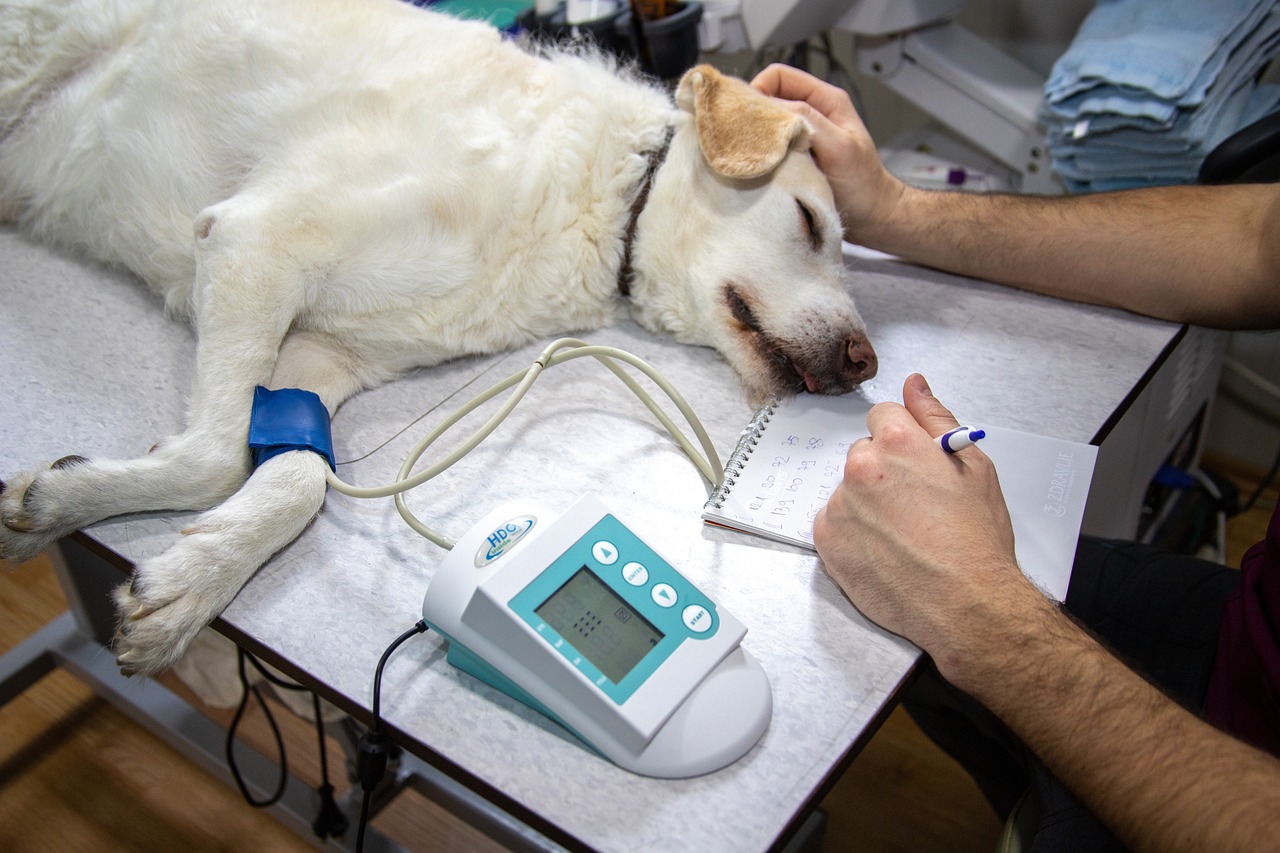

VCA Animal Hospitals operates one of the largest veterinary networks in the country — which means wildly different experiences depending on which location you walk into, what your pet needs, and whether you’ve done your homework on costs before you arrive. This guide cuts through the noise and addresses what owners most need to know before they go.
These are the questions that come up constantly — from first-time visitors to long-term clients who realize they’ve been navigating a large corporate system without a roadmap. Direct answers, no spin.
It’s a corporate chain — one of the largest in the world. VCA Animal Hospitals is a subsidiary of Mars, Inc. (the candy and pet food conglomerate), which acquired VCA in 2017 for $9.1 billion. Mars also owns Banfield Pet Hospital and BluePearl Veterinary Partners, giving the company a combined footprint of thousands of veterinary locations across the United States. Within the Mars family, VCA operates as a distinct unit — meaning the brand, staffing, and local management remain separate from Banfield. The individual vets you see are licensed professionals, not Mars employees in any meaningful clinical sense. But the pricing structures, wellness plan contracts, and corporate policies you interact with are set at the company level, not the individual hospital level. Understanding that distinction matters for how you approach billing disputes or plan cancellations.
Not remotely — and this is the single most important thing to understand before walking through a VCA door. VCA operates over 1,000 hospitals across the U.S. and Canada. Some are AAHA-accredited specialty and emergency centers with board-certified oncologists, neurologists, and surgeons on staff. Others are small community primary care clinics where quality depends almost entirely on which individual vet happens to be working that day. Prices are also set at the local level, not nationally — a routine wellness exam can differ by $40 or more between a VCA in a rural Midwestern town and one in Manhattan. Before your first visit to any VCA location, search specifically for that location’s reviews — not VCA’s overall ratings — because the aggregate scores blend wildly different experiences into one misleading number.
For routine primary care, VCA prices generally fall in line with or slightly above average urban and suburban private practice rates. A routine wellness exam runs $55 to $150 depending on location. Where the cost difference becomes significant — and where most billing complaints originate — is in the add-on charges that accumulate during a visit without advance notice. Medication markups have been a consistent complaint: one owner documented paying $75 at VCA for 14 capsules of a medication available for $13 for 30 capsules at a major pet pharmacy. The exam fee is often not the real cost issue. It’s the diagnostic recommendations, in-house pharmacy prices, and ancillary services that expand a $70 exam into a $400 visit. Asking upfront for an itemized estimate before any diagnostic is run changes this dynamic significantly.
Specialty and emergency care. The VCA specialty and emergency hospitals — often labeled VCA Animal Specialty & Emergency Center or VCA Animal Specialty Group — house board-certified specialists in oncology, neurology, internal medicine, orthopedic surgery, cardiology, and critical care. These facilities maintain 24-hour staffing, advanced imaging (MRI, CT, fluoroscopy), and on-site ICUs. Many hold AAHA accreditation. For a dog who needs a neurologist or a cat with cancer, the kind of specialist care available at these VCA locations is genuinely difficult to find elsewhere without driving long distances. The distinction to make in your mind: VCA as an emergency/specialty destination is a very different animal from VCA as your pet’s regular primary care clinic.
CareClub is VCA’s wellness membership — not pet insurance. It does not cover accidents, surgeries, illnesses, or any unexpected care. What it covers is routine preventive services: unlimited wellness, sick, urgent, and emergency exam fees (the exam fee itself, not the treatment), core vaccines, blood panels, fecal testing, heartworm testing, and dental services, depending on the plan tier. The base Access plan starts around $19.99/month; more comprehensive Paws and Paws Plus tiers average $64/month nationally and reach $95/month or more in major cities. VCA claims enrollees save up to 25% annually on routine care compared to paying individually. CareClub makes financial sense for healthy pets who use veterinary care regularly. It does not make financial sense if you expect it to cover your pet’s surgery, hospitalization, or specialist visit — it won’t.
Across platforms — Trustpilot, PissedConsumer, ComplaintsBoard, BBB, and Yelp — the pattern is consistent. Positive reviews tend to cluster around individual vets who took time to explain things clearly, emergency departments that moved fast during a crisis, and specialist services where the clinical expertise was evident. Negative reviews cluster around three issues: surprise charges added without prior discussion, medication costs significantly higher than pharmacy alternatives, and communication failures during complex cases. One complaint documented on ComplaintsBoard described 134 total complaints filed with that platform alone, with roughly 78% still unresolved. The reviews aren’t indicting VCA as a whole — they’re identifying a specific gap between the clinical experience and the administrative and billing experience.
Yes — and this is one of the most financially meaningful questions any VCA client can ask. Veterinarians are legally required to provide a written prescription upon request in all 50 states, allowing you to fill it at Costco Pharmacy, Chewy’s pharmacy, Walmart, or any compounding pharmacy. VCA in-house pricing on medications has been documented as significantly higher than outside pharmacies — sometimes by 300 to 500 percent for the same drug in the same formulation. Always ask: “Can I get a written prescription to fill elsewhere?” The vet cannot legally refuse. Some medications — particularly those requiring cold storage or compounding — may be more practical to fill in-house, but most standard drugs are available externally for a fraction of the cost.
Yes, for new clients (or existing clients who haven’t been seen in three or more years) adding a dog or cat. The free first exam is a standard health status check covering weight, nutrition overview, parasite discussion, a dental look, and a vaccine overview. It explicitly excludes diagnostic testing, treatments, medications, vaccines, specialty care, emergency care, urgent care, and telemedicine. The household limit is two pets. This is a genuine offer worth using — but come prepared for the fact that the exam itself may surface recommendations for diagnostics or vaccines that carry their own costs. The exam is free; everything else is not.
Prices at VCA are set locally, not nationally. These are realistic ranges drawn from documented owner experiences and publicly available VCA pricing across multiple U.S. markets. Always call your specific location for an estimate before you go.
| Service | Typical Range | Notes |
|---|---|---|
| Routine Wellness Exam | $55 – $150 | Free for new clients (limited scope) |
| Core Vaccines (each) | $25 – $50 | Included in some CareClub tiers |
| Annual Bloodwork Panel | $80 – $300 | Ranges by panel depth and location |
| Urinalysis | $45 – $90 | Often recommended alongside bloodwork |
| Heartworm Test | $35 – $75 | Included in some plan tiers |
| Dental Cleaning (anesthesia) | $400 – $1,000+ | Extractions billed separately; higher in major cities |
| Emergency Exam Fee | $100 – $250 | Exam only; diagnostics and treatment billed on top |
| After-Hours Emergency Visit | $200 – $400 exam | Higher after-hours fee; total bill $800–$4,000+ |
| X-Rays (radiographs) | $150 – $400 | Per series; number of views affects price |
| Ultrasound | $300 – $600 | Abdominal; specialist-read costs more |
| Spay (cat) | $200 – $500 | Higher in cities; overweight/pregnant costs more |
| Spay (dog, medium) | $400 – $900 | Weight, breed, and condition affect price |
| Specialist Consultation (on referral) | $200 – $500 | Initial consult; ongoing treatment billed separately |
| MRI or CT Scan | $1,500 – $3,000+ | Requires anesthesia; available at specialty locations only |
Ask for a written estimate before any diagnostic, procedure, or medication is administered. You have every right to one. Also ask specifically: “Is this medication available as a written prescription I can fill at an outside pharmacy?” For any visit likely to exceed $500, ask for a high and low estimate in writing before treatment begins. These two habits alone account for the majority of the billing surprise complaints that show up in VCA reviews. A vet who is bothered by these questions is a yellow flag worth noting.
CareClub is probably VCA’s most discussed product — and the most misunderstood. The word “plan” makes it sound like insurance. It isn’t. Here’s what it actually does and doesn’t cover, and what the contract requires of you.
The Access plan is VCA’s entry-level tier, covering unlimited exam fees (wellness, sick, urgent, recheck, and emergency exams) and a one-time $49.99 enrollment fee at select locations. Critically, unlimited exams means the exam fee is covered — not diagnostic testing, treatments, or medications that happen during those exams. A sick visit where bloodwork and an X-ray are ordered will waive the exam fee and still charge you for the diagnostics. The Access plan works well for owners who bring their pet in frequently and would otherwise pay multiple exam fees per year. It does not reduce the cost of the actual care delivered during those visits.
The Paws tier adds personalized coverage based on your pet’s age and breed — vaccines, annual blood panels, fecal testing, heartworm testing, urinalysis, and dental discounts are commonly included depending on what VCA deems appropriate for your specific pet’s life stage. This is the tier most owners have in mind when they think of CareClub as a “value” plan. The math works favorably if your pet would be getting all of those covered services anyway. Run the numbers before enrolling: list out what your pet actually received last year, price each item at your local VCA’s standard rate, and compare that total against 12 months of plan premiums. If the services list doesn’t add up to more than the annual cost, the plan is not saving you money.
Paws Plus adds an annual specialty care consult at a participating VCA Specialty Care hospital, one waived consultation fee (up to $300) at a BluePearl Pet Hospital, and broader discounts on ancillary services. For a senior pet who already sees specialists periodically, this tier can justify the monthly premium. One owner complaint that surfaced repeatedly: the nail trim and other minor add-on services are not always included in any plan tier and are sometimes added at checkout without pre-visit disclosure of cost. Ask specifically which services require separate payment even under the Paws Plus plan — particularly grooming-adjacent services and optional add-ons performed during a wellness visit.
- Annual contract with automatic renewal. You are committing to 12 months of monthly payments. Missing this detail has caught numerous owners off-guard when they try to cancel mid-year.
- Cancellation before the contract ends incurs fees. You cannot cancel online through the VCA website or app — cancellation requires contacting your local hospital directly, and penalties may apply for early termination.
- Plan is tied to VCA locations only. If you move, change vets, or your pet passes away before the contract ends, the financial obligation remains. Contact your hospital directly about hardship exceptions.
- No multi-pet discount. Each pet requires a separate plan at full monthly cost.
- CareClub is not pet insurance. A $5,000 surgery, a hospitalized illness, or any accident is your full out-of-pocket responsibility. Pair it with actual pet insurance if your concern is catastrophic costs.
The right veterinary choice depends on what your pet actually needs. Here’s a clear-eyed look at how VCA compares to its most direct competitors across the situations pet owners encounter most.
| Factor | VCA Animal Hospitals | Banfield (PetSmart) | BluePearl (Specialty) | Independent Vet |
|---|---|---|---|---|
| Corporate Ownership | Mars, Inc. (since 2017) | Mars, Inc. (same parent) | Mars, Inc. (same parent) | Owner-operated |
| Emergency Care | Many locations · 24/7 at specialty sites | Not offered | Primary specialty/ER focus | Rare · usually referral only |
| Specialist Access | Oncology · Neurology · Surgery · More | Not offered | Highest-level specialist care | Referral required · separate facility |
| Wellness Plan Available | Yes · CareClub (from $19.99/mo) | Yes · Optimum Wellness | No wellness plan | Varies by practice |
| Pricing Transparency | Inconsistent · varies by location | Plan pricing clear · add-ons vary | High cost · upfront estimates standard | Usually more direct |
| Medication Pricing | Often significantly above pharmacy | Also a common complaint | Specialty drugs · less comparable | Varies · ask about Rx policy |
| AAHA Accreditation | Select locations only | Not AAHA accredited | Most locations accredited | 12–15% of all hospitals hold it |
| Free First Exam | Yes · new clients · dogs & cats | First visit discount varies | No | Varies by practice |
| Best Use Case | Specialist referral · 24/7 ER · routine with CareClub | Routine wellness · vaccine plans | Complex specialist cases only | Relationship-based primary care |
These aren’t cherry-picked horror stories. They’re the patterns that show up across independent review platforms, the BBB, and consumer complaint boards — patterns consistent enough to serve as a practical guide for what to watch and how to protect yourself.
This is the top complaint across platforms, phrased in different ways but describing the same experience: a service is performed during a visit — a nail trim, a specific test, a product dispensed — and the cost is only revealed when you’re handed the bill on the way out. One CareClub member on Trustpilot documented being charged $43 per dog for a nail trim on both dogs without being told the price beforehand. Another described feeling that “additional fees are being applied opportunistically rather than transparently.” The defense is simple and entirely within your rights: at the start of any visit, tell the front desk and the vet directly — “Please do not perform any service or dispense any product without telling me the cost first and getting my approval.” In writing on intake forms if possible. This instruction, clearly stated, shifts the dynamic.
Multiple documented reviews describe paying five to ten times the outside pharmacy rate for medications dispensed at VCA. One owner calculated that 14 capsules dispensed at VCA cost $75; the same medication from a major pet pharmacy cost $13 for 30 capsules. VCA is not unique in this — in-clinic pharmacy markups are standard practice across corporate veterinary chains — but the gap is consistently reported as larger than what owners expect. Ask for a written prescription at every visit for any medication that will be ongoing. You are legally entitled to one in every U.S. state. Chewy Pharmacy, Costco Pharmacy, Walmart, and compounding pharmacies will often fill it for significantly less. The vet’s legal obligation to provide a written prescription does not change because you’re at a chain.
Several detailed reviews describe systemic failures during longer hospital stays: a specialist not consulting records available in the same building, dietary restrictions not being communicated between shifts, and owners feeling shut out during critical decision-making windows. One long-term VCA client with a decade of care history documented a 48-hour hospitalization where the internal medicine doctor never reviewed the treating vet’s records — records available in the same hospital — and never contacted the primary care vet who had successfully managed the same condition months earlier. For any hospitalization lasting more than 24 hours: ask who the named attending vet is for each shift, request daily update calls at a specific time, and give explicit written instructions about dietary restrictions and any known sensitivities. Paper documentation inside the care folder — not just verbal instruction — is the safest form.
One owner on Trustpilot contacted their VCA location about a $90 exam fee being applied to a routine vaccine appointment for a dog who had already had a full exam less than six months prior. The staff told the owner this additional exam was legally required — a claim that is not uniformly true and depends on state veterinary practice laws. VCA’s policies on exam frequency requirements vary by location. If you’re being charged for an exam you believe is unnecessary given a recent visit history, ask the clinic to specify the exact legal or policy basis for requiring it — and ask whether an alternative exists. Some states allow vaccine administration without a full new exam if the pet is current on their wellness schedule. This is worth one polite phone call before the appointment.
If a VCA with 24-hour emergency services is the closest facility to you, go. For emergencies, proximity is the priority — don’t drive past a capable emergency clinic in search of a preferred alternative. Call ahead while you’re driving so they can prepare for your arrival. Once you’re there, you have every right to ask for a written estimate before consenting to treatment beyond initial stabilization. VCA’s emergency departments are staffed with board-certified emergency specialists at the larger specialty locations; primary care VCA locations without 24-hour staff will typically triage and stabilize before referring you to a specialty site. Ask at intake which type of facility you’re in, and whether an emergency specialist is on premises or being called in.
This is where VCA’s corporate infrastructure works in your favor. The specialist facilities house board-certified diplomates in fields your regular vet cannot access — oncology for a cancer diagnosis, neurology for a dog with seizures or spinal issues, surgery for complex orthopedic cases. These specialists have completed additional years of residency training beyond veterinary school and typically have more experience with rare or complex presentations than a general practitioner. Bring all prior records, imaging, and lab work in physical or digital form. Before the consult, ask your regular vet specifically what question they want the specialist to answer — this frames the visit productively. Budget for an initial consultation ranging from $200 to $500, with diagnostic recommendations likely to add to that. CareClub members on the Paws Plus tier may have one specialty consult included — check your plan documents before the appointment.
Three questions that tend to produce immediate results at the billing level. First: “Can I have a written prescription for this medication to fill at an outside pharmacy?” Do this for every ongoing medication. Second: “Can you provide an itemized estimate in writing before any service is performed today?” Third: “Does my CareClub plan actually include this service, or am I being charged separately?” On the plan itself — run your own annual math. Add up every service your pet received last year at standard VCA rates. If the total is less than 12 months of your current monthly premium, you’re paying more into the plan than you’re getting out. Cancellation requires contacting the hospital directly; penalties may apply for mid-year cancellation, so check your specific contract terms before calling.
Start with the individual location’s reviews, not VCA’s overall rating. Search the specific clinic’s name — “VCA [City] Animal Hospital reviews” — on Google Maps, Yelp, and any local Facebook pet owner groups. A VCA location with a long-tenured, consistently praised vet has an entirely different value proposition than one with frequent staff turnover or a long history of billing complaints. Also call the clinic directly before your first visit and ask: “Do you have a consistent primary care vet I’d see at most visits, or is it whoever’s available?” Continuity of care — seeing the same vet who knows your pet’s history — matters clinically and is worth prioritizing. Take advantage of the free first exam offer to get a feel for the staff before committing to CareClub or regular care there.
If it’s a billing issue, start with the clinic manager at your specific location — not corporate. Many billing errors, duplicate charges, and add-on fees that weren’t disclosed can be resolved at the local level without escalation. Document everything in writing: dates, dollar amounts, services performed, and what you were told (or not told). If the local clinic does not resolve the issue, escalate to VCA’s corporate patient relations. For clinical concerns — including cases where you believe negligence contributed to a poor outcome — your state’s veterinary licensing board accepts complaints and investigates professional conduct. The American Veterinary Medical Association also has resources for filing formal complaints against licensed veterinarians. Keep all records, invoices, and written communications as documentation.
This review is for general informational purposes only and reflects documented owner experiences, publicly available pricing data, and industry context. Individual VCA hospital quality, pricing, and policies vary significantly by location and are subject to change. Nothing in this article constitutes veterinary or legal advice. Pricing ranges are approximations based on reported data and may differ from your local VCA’s actual rates — always confirm pricing directly with your clinic before any visit. In a medical emergency, seek veterinary care immediately.