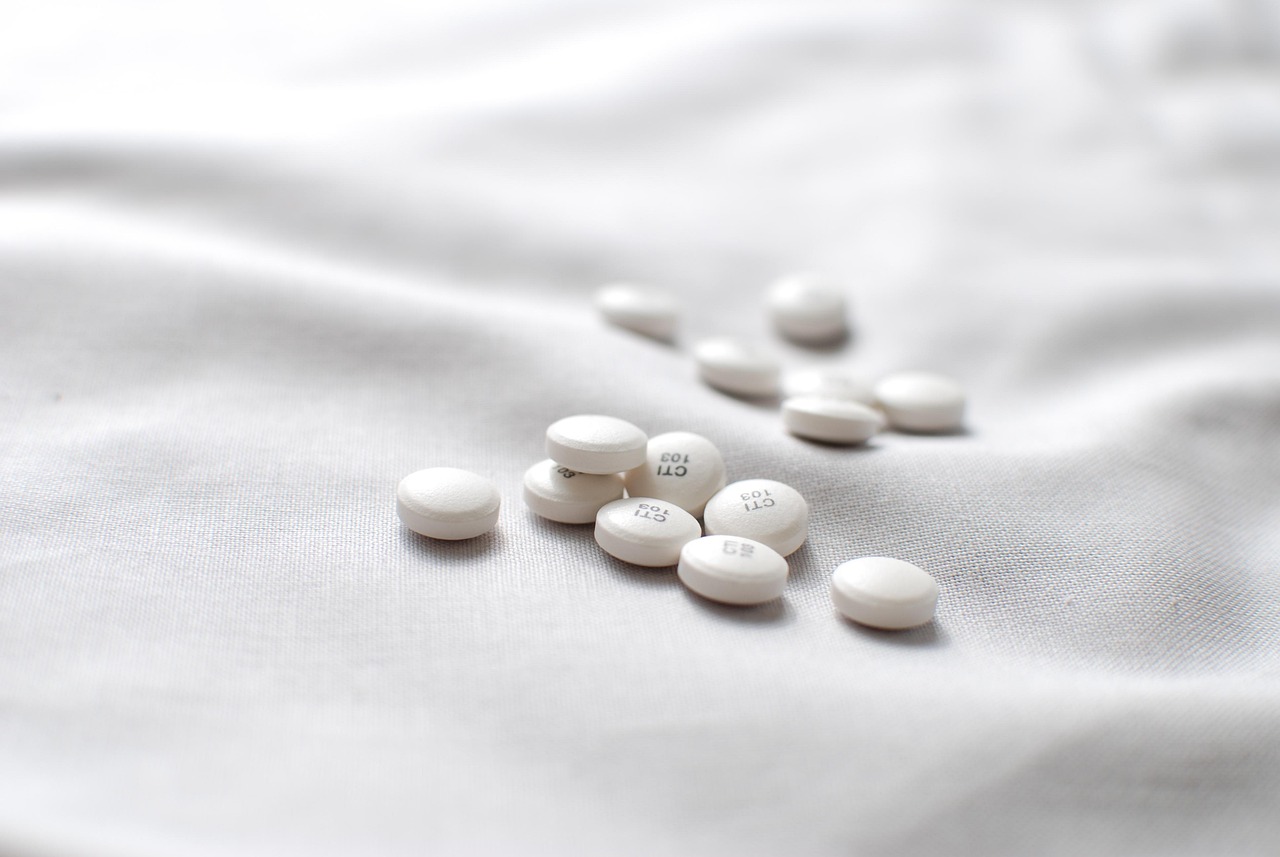

Your dog is hurting and you want to help — right now. The problem: the medicine cabinet in most homes holds drugs that can kill a dog within hours. This guide covers every safe option your vet actually uses, every supplement with real evidence behind it, and exactly which household medications to keep away from your dog no matter how small the dose.
These are the questions dog owners ask at midnight when their dog is limping and they don’t know what to do. Answered plainly, without the runaround.
No — not under any circumstances without specific veterinary instruction. Dogs cannot safely process acetaminophen (Tylenol), ibuprofen (Advil, Motrin), or naproxen (Aleve) the way humans do. The FDA and veterinary toxicologists at Merck confirm that these drugs cause stomach ulcers, gastrointestinal bleeding, kidney failure, and liver destruction in dogs — and even a small dose can trigger life-threatening damage. A 2024 study in Folia Veterinaria documented fatal outcomes from owners giving these medications in what they considered safe amounts. There is no safe home dose of these drugs for dogs. If your dog has consumed any of them, call 1-888-426-4435 immediately.
Aspirin is far more complicated than people assume. It is not FDA-approved for dogs, it carries serious gastrointestinal and bleeding risks, and according to senior veterinarians at the Schwarzman Animal Medical Center in New York, there are now “truly few benefits to using aspirin in dogs” — because safer, dog-specific alternatives exist. Some studies suggest that long-term aspirin use may actually accelerate cartilage deterioration in arthritic dogs. The only scenario where a vet might prescribe aspirin is for specific blood-clotting conditions, and even then, safer medications like clopidogrel have largely replaced it. Do not give aspirin without a vet telling you the dose, the frequency, and why it’s appropriate for your specific dog.
For arthritis, joint pain, and post-surgical pain, the FDA has approved six prescription NSAIDs specifically for dogs: carprofen (brand name Rimadyl or Novox), meloxicam (Metacam), grapiprant (Galliprant), firocoxib (Previcox), deracoxib (Deramaxx), and robenacoxib (Onsior). Galliprant is increasingly the first choice for arthritic dogs because it targets only the specific pain receptor involved in arthritis, rather than the entire prostaglandin system, which gives it a more favorable kidney and GI safety profile. For nerve pain, spinal conditions, or post-surgical pain, gabapentin is frequently prescribed alongside NSAIDs. The right prescription depends entirely on your dog’s diagnosis, age, existing conditions, and current medications — which is why bloodwork before starting any NSAID matters.
Yes — several supplements have meaningful evidence behind them for joint pain. Fish oil containing EPA and DHA (omega-3 fatty acids) has strong support from multiple JAVMA studies for reducing inflammation and improving mobility in arthritic dogs. Glucosamine and chondroitin sulfate have been shown to support cartilage cell growth and protect against cartilage destruction. Green-lipped mussel (from New Zealand) naturally contains glucosamine, chondroitin, and unique omega-3 compounds not found in other sources — many vets consider it one of the most effective joint supplements available. Curcumin (the active compound in turmeric, taken with piperine for absorption) showed positive results in a 2024 Frontiers in Veterinary Science study for arthritis discomfort. None of these replace a vet visit, but they are appropriate additions to a pain management plan and have no dangerous interactions when used at appropriate doses.
Librela (bedinvetmab) is a monthly injectable monoclonal antibody approved by the FDA in May 2023 for controlling osteoarthritis pain in dogs. It works by targeting nerve growth factor, a protein that plays a role in chronic joint pain. For many dogs it has provided significant pain relief. However, the FDA issued a formal Dear Veterinarian letter after evaluating 3,674 adverse event reports including neurological signs (ataxia, seizures, paralysis), urinary incontinence, and deaths. A 2025 peer-reviewed study in Frontiers in Veterinary Science found musculoskeletal events such as fractures and joint destruction reported approximately nine times more frequently in Librela-treated dogs than in dogs on other OA medications. In May 2026, the FDA added additional label warnings. Librela may still be appropriate for some dogs — have an explicit conversation with your vet about the current safety data before proceeding.
You’re right — dogs suppress obvious pain signals as an instinctive survival behavior. The signs are behavioral rather than dramatic. Watch for: reluctance to climb stairs, jump into the car, or rise from a resting position; changes in gait including head-bobbing while walking (front leg pain) or a tucked posture (back pain); reduced appetite or sudden disinterest in play; growling or snapping when a normally comfortable area is touched; sleeping far more than usual; licking or chewing at one specific area of the body; loss of house-training in a dog that was reliable; and panting at rest without heat exposure. Senior dogs in particular develop arthritis silently over months — the dog you think is “just slowing down” may be managing significant chronic pain that responds well to treatment.
Gabapentin is not FDA-approved for dogs but is widely and legally prescribed off-label for chronic pain (arthritis, back pain, intervertebral disc disease), nerve pain, and pre-operative anxiety. Research published in Animals (2023) and reviewed in the Merck Veterinary Manual confirms its usefulness for neuropathic and chronic musculoskeletal conditions. It works through a completely different mechanism than NSAIDs — which means it can be safely combined with carprofen, meloxicam, or other approved NSAIDs for better pain control in difficult cases. The most common side effect is sedation, which typically resolves after a few days of use or with dose adjustment. It is not effective as a sole agent for acute pain — your vet will typically use it alongside another medication in those cases.
CBD remains an area of active research rather than settled veterinary medicine. No CBD product for dogs has received FDA approval. A 2025 randomized controlled trial published in an NIH-indexed journal found that a 20:1 CBD:THC cannabis extract did not significantly outperform the placebo for post-surgical pain in dogs already receiving standard pain control (NSAIDs, gabapentin, and opioids). Anecdotally, some dog owners report reduced stiffness and anxiety. If you’re considering CBD, use a product formulated for dogs, tested by a third-party laboratory for potency and contaminants, with no THC — even small amounts of THC are toxic to dogs. Tell your vet before adding CBD to your dog’s regimen, as it may interact with other medications including some NSAIDs.
A complete reference organized by category — prescription medications, natural supplements, and drugs to avoid. Use this to prepare for a vet conversation or to understand what your vet has already prescribed.
| Option | Category | Status | Best For | Key Risk / Note |
|---|---|---|---|---|
| Carprofen (Rimadyl, Novox) | NSAID | Rx Only · FDA Approved | Arthritis, post-surgery pain | Baseline bloodwork required; GI monitoring |
| Meloxicam (Metacam) | NSAID | Rx Only · FDA Approved | Arthritis, joint pain | Kidney monitoring in long-term use |
| Grapiprant (Galliprant) | NSAID | Rx Only · FDA Approved | Arthritis — preferred for kidney-sensitive dogs | Targeted receptor action; fewer GI effects |
| Firocoxib (Previcox) | NSAID | Rx Only · FDA Approved | Arthritis, soft tissue surgery | Chewable tablet; once-daily dosing |
| Deracoxib (Deramaxx) | NSAID | Rx Only · FDA Approved | Orthopedic surgery pain, arthritis | Post-op use; GI protection recommended |
| Robenacoxib (Onsior) | NSAID | Rx Only · FDA Approved | Short-term (up to 3 days) acute pain | Approved for acute use only |
| Gabapentin | Anticonvulsant / Analgesic | Rx · Off-Label | Nerve pain, chronic pain, back/spine | Sedation; combines well with NSAIDs |
| Librela (bedinvetmab) | Monoclonal antibody | Rx Only · FDA Approved | Chronic osteoarthritis — monthly injection | ⚠️ FDA adverse event letter; discuss safety data with vet |
| Fish oil (EPA/DHA) | Natural supplement | OTC · Evidence-backed | Arthritis support, inflammation | Use veterinary-grade; avoid xylitol-containing products |
| Glucosamine + Chondroitin | Joint supplement | OTC · Evidence-backed | Chronic joint support, early arthritis | Takes 6–12 weeks for full effect |
| Green-Lipped Mussel | Natural supplement | OTC · Evidence-backed | Arthritis; unique omega-3 compounds | Check for shellfish allergies |
| Curcumin (with piperine) | Herbal supplement | OTC · Emerging evidence | Mild joint inflammation support | Requires piperine for absorption |
| CBD oil (dog-formulated) | Supplement | OTC · Limited evidence | Possibly anxiety, mild discomfort | No FDA approval; tell your vet |
| Ibuprofen (Advil, Motrin) | Human NSAID | ⛔ NEVER GIVE | N/A — toxic to dogs | Kidney failure, GI ulcers — can be fatal |
| Acetaminophen (Tylenol) | Human analgesic | ⛔ NEVER GIVE | N/A — toxic to dogs | Liver destruction, red cell damage — can be fatal |
| Naproxen (Aleve) | Human NSAID | ⛔ NEVER GIVE | N/A — toxic to dogs | Severe GI and kidney toxicity |
| Aspirin | Human NSAID | ⚠️ Vet Guidance Only | Rarely prescribed; narrow use | GI bleeding, blood clots; better alternatives exist |
Every drug listed here requires a veterinarian’s prescription. That requirement exists because dosing depends on your dog’s weight, age, kidney and liver function, and what other medications they’re taking. These are not drugs to guess at.
- Ibuprofen (Advil, Motrin, generic): Even one regular-strength tablet can cause severe GI ulceration, intestinal perforation, and kidney failure in a medium-sized dog. Onset of damage begins within an hour of ingestion.
- Acetaminophen (Tylenol): Dogs lack the liver enzymes to safely metabolize acetaminophen. It destroys red blood cells and causes acute liver failure. The FDA classifies it as toxic to dogs and cats.
- Naproxen (Aleve): Has a very long half-life in dogs, meaning it accumulates rapidly. Causes stomach ulcers, intestinal bleeding, and kidney injury. The margin between a “safe” dose and a toxic one is extremely narrow.
- Aspirin without vet guidance: Not FDA-approved for dogs, carries serious GI and bleeding risks, and may worsen arthritis by accelerating cartilage loss with long-term use. Senior veterinary specialists consider it obsolete for most applications given safer alternatives.
Poison Control: 1-888-426-4435 (ASPCA · fee may apply) · 1-855-764-7661 (Pet Poison Helpline)
Carprofen is among the longest-established FDA-approved NSAIDs for dogs, with decades of use and a well-characterized safety profile. It reduces inflammation and pain in dogs with osteoarthritis, hip dysplasia, and post-operative discomfort after soft tissue or orthopedic surgery. Available as chewable tablets (making daily dosing easier for dogs that resist pills), film-coated tablets, and caplets. Baseline bloodwork is required before starting — carprofen affects kidney and liver function in some dogs, and pre-existing disease can increase risk. Dogs on long-term carprofen should have follow-up blood panels every six months. Signs to watch for: changes in appetite, increased thirst, vomiting, dark or tarry stools. Stop and call your vet immediately if any of these appear.
Meloxicam is a COX-2 selective NSAID that controls pain and inflammation associated with osteoarthritis and post-operative pain. It is available as an oral liquid with a dosing syringe, which makes precise weight-based dosing straightforward, and as tablets. Meloxicam is commonly used in older dogs because the oral liquid formulation allows very small dose adjustments. Kidney function monitoring is particularly important with long-term meloxicam use — dogs with pre-existing kidney disease require reduced dosing or may not be candidates at all. As with all prescription NSAIDs, it should never be combined with corticosteroids (prednisone, dexamethasone) or with another NSAID. A washout period of several days is required before switching from any NSAID to another.
Grapiprant operates through a more targeted mechanism than older NSAIDs — instead of broadly suppressing the entire prostaglandin pathway (which has GI and kidney protective functions), it specifically blocks the EP4 receptor that is most responsible for pain and inflammation in arthritic joints. This precision is why many veterinarians now reach for it first, particularly for dogs where GI sensitivity or early kidney concerns make broader COX-inhibiting NSAIDs less desirable. Galliprant is a chewable flavored tablet given once daily. It is approved specifically for controlling pain and inflammation of osteoarthritis in dogs — not for post-surgical pain or other conditions. While it has a favorable safety profile, it still requires veterinary prescription and should not be given to dogs with severe liver or kidney impairment.
Gabapentin is not FDA-approved for dogs but is legally and commonly prescribed off-label for chronic pain, nerve pain, spinal conditions, and intervertebral disc disease. Research from the University of Milan (Animals, 2023) and the Merck Veterinary Manual both document its benefit for neuropathic and chronic musculoskeletal pain in dogs. It works through a different mechanism than NSAIDs, which means the two classes can be combined for better overall pain control — a strategy veterinary pain specialists refer to as multimodal analgesia. Standard dosing ranges from 5–30 mg/kg given two to three times daily, though veterinarians adjust this significantly based on the individual dog. Sedation is the most common side effect and often resolves within a few days or with dose adjustment. Important: gabapentin liquid formulations made for humans often contain xylitol, which is highly toxic to dogs — only use a formulation your vet has specifically prescribed or approved.
Librela was approved in May 2023 as the first monoclonal antibody for osteoarthritis pain in dogs, offered as a monthly subcutaneous injection. For many dogs, it has provided meaningful arthritis pain relief. However, the FDA’s post-marketing surveillance identified 18 distinct safety signals, including neurological events (ataxia, seizures, partial paralysis), urinary incontinence, and deaths. In 3,674 adverse event reports reviewed by the FDA, 70% of cases showed signs after the very first dose, and 30% showed signs within the first day. A 2025 peer-reviewed study found musculoskeletal events approximately nine times more frequent in Librela-treated dogs than in dogs on other arthritis medications. The FDA added joint swelling and bone and joint disorder to the label as rare adverse events in May 2026. Librela may still be appropriate for specific dogs — this requires an informed, documented conversation with your veterinarian about the benefit-risk profile for your individual pet.
Not all supplements marketed for dogs are equally supported by research. The ones below have genuine evidence from peer-reviewed veterinary studies. None of them replace a vet visit, but several make meaningful contributions to a pain management plan — especially for chronic arthritis.
Fish oil containing EPA (eicosapentaenoic acid) and DHA (docosahexaenoic acid) has among the strongest evidence of any supplement for canine arthritis. Multiple studies published in JAVMA (Journal of the American Veterinary Medical Association) confirm that omega-3 supplementation improves mobility and reduces inflammatory markers in arthritic dogs. The mechanism is direct: EPA and DHA are incorporated into joint cell membranes and reduce the production of pro-inflammatory eicosanoids. PetMD (December 2024 update) notes particular benefit for senior dogs and those with osteoarthritis or itchy, inflamed skin. Use a veterinary-grade product formulated for dogs — some fish species used in human fish oil contain elevated levels of toxic metals. Also check for xylitol in any flavored formulation. The dose is body-weight dependent; your vet can provide a specific recommendation.
Glucosamine and chondroitin are naturally occurring compounds found in cartilage tissue. Glucosamine supports the growth of cartilage cells; chondroitin works by inhibiting enzymes that break cartilage down. Studies reviewed by PetMD (December 2024) indicate that dogs with joint conditions benefit from both, with the combination outperforming either alone. These supplements do not provide immediate pain relief — they work over weeks by supporting the underlying joint structure rather than masking symptoms. Give them consistently for at least 6–12 weeks before assessing effectiveness. Multiple formulations of glucosamine exist (glucosamine HCl vs. glucosamine sulfate) — ask your vet which form and dose is appropriate for your dog’s weight and condition. Human glucosamine products are generally safe for dogs in appropriate doses, but dog-specific formulations without unnecessary additives are preferable.
Green-lipped mussel (Perna canaliculus), harvested from New Zealand, contains an unusual combination of glucosamine, chondroitin, and omega-3 fatty acids that includes unique compounds called ETA (eicosatetraenoic acid) not found in standard fish oil. Many veterinary practitioners consider it among the most effective natural joint supplements for dogs because the synergy between its components appears to produce better results than any single ingredient alone. Multiple vet-reviewed sources including The Pet Vet (January 2026) cite it as a first-choice natural recommendation for arthritic dogs. Because it is a shellfish product, check for shellfish allergies before starting, particularly in dogs that have shown food sensitivities. Use a concentrated, standardized extract rather than a raw powder to ensure consistent dosing.
Curcumin, the active anti-inflammatory compound in turmeric, inhibits inflammatory pathways at the cellular level. A 2024 study published in Frontiers in Veterinary Science found that curcumin may help reduce discomfort in dogs with arthritis. The critical practical point: curcumin absorption is very poor without a bioavailability enhancer. Only use formulations that explicitly include black pepper extract (piperine) or a specialized delivery system — plain turmeric powder has negligible absorption and will accomplish little. Plain turmeric in large amounts can also cause GI upset. Start at a low dose and increase gradually. Tell your vet if your dog is on any blood-thinning medications — curcumin has mild anticoagulant properties.
For arthritic and aging dogs, non-pharmaceutical measures often produce relief equivalent to a low-dose NSAID. Every extra pound your dog carries puts disproportionate stress on already-compromised joints — even modest weight loss in overweight arthritic dogs produces measurable improvements in pain scores in multiple veterinary studies. Environmental modifications: orthopedic foam beds (4+ inches thick) reduce joint pressure during the 12–16 hours a day most dogs spend resting; ramps instead of stairs eliminate the repetitive joint impact that makes morning stiffness worse; non-slip mats on hard floors prevent the muscle tension dogs develop compensating for slippery surfaces. Gentle, low-impact exercise — short leash walks on flat ground, swimming if available — maintains muscle mass that supports arthritic joints without overloading them. Avoiding long rest followed by sudden exertion (the classic “stiff after sleeping” pattern) is more manageable with two to three short walks per day rather than one long one.
Veterinary acupuncture, cited in a 2018 World Small Animal Veterinary Association Congress review, has documented evidence for managing chronic musculoskeletal pain in dogs. Multiple peer-reviewed studies support its use as an adjunct (alongside medications) rather than a sole treatment for significant pain. Therapeutic laser (Class IV cold laser) delivers targeted light energy to inflamed tissue, reducing cytokine activity and improving circulation in painful joints — commonly used post-surgically and for arthritis. Both are administered by trained veterinary practitioners. They do not replace NSAIDs in cases of moderate-to-severe pain but can meaningfully reduce the dose of pharmaceutical pain medication needed, which matters for dogs whose kidneys or stomach make high-dose NSAIDs risky. Look for a veterinarian certified in veterinary acupuncture through the Chi Institute or IVAS (International Veterinary Acupuncture Society).
Call ASPCA Animal Poison Control at 1-888-426-4435 or Pet Poison Helpline at 1-855-764-7661 immediately — do not wait for symptoms to appear. Bring the bottle so you can report the exact formulation, the milligram strength, and roughly how many tablets your dog may have consumed. Time matters: treatments given before symptoms develop (particularly induced vomiting within 30–60 minutes of ingestion) are far more effective than treatment after toxicity has progressed. Do not induce vomiting at home without being directed to do so by Poison Control — in some situations it can cause additional harm.
Three things you can start today that are safe, free of serious risk, and actively helpful. First, eliminate hard floors under your dog wherever possible — lay non-slip rugs or yoga mats on tile or hardwood. Second, add an orthopedic foam bed at least four inches thick so joints aren’t resting on hard surfaces for hours at a time. Third, start a veterinary-grade fish oil supplement containing EPA and DHA — this has meaningful evidence behind it and is safe at appropriate doses for nearly all dogs. Do not give any human pain medications while waiting for the appointment — they will damage your dog while you wait, making things worse, not better. Bring a list of all current medications and supplements to your appointment.
For post-surgical or acute injury pain, your vet will typically use a short course of an FDA-approved NSAID (carprofen, deracoxib, and robenacoxib are commonly used post-operatively) paired with gabapentin for nerve pain management. Some practices also use opioid-class medications (tramadol, butorphanol) for the immediate post-operative period. Do not skip doses or stop the prescription early because your dog “seems better” — pain medications given on schedule prevent the central nervous system from becoming sensitized to pain, which is much harder to reverse once it happens. If your dog won’t eat the pill, ask your vet whether a compounded liquid or flavored chew formulation can be prepared at a compounding pharmacy.
This is one of the most common and most important questions in small animal veterinary medicine. Dogs cannot tell you they hurt, and evolutionary instinct makes them suppress obvious pain signals — which means the dog you think is “slowing down with age” may be in significant chronic pain that responds well to treatment. Signs that distinguish pain from normal aging: reluctance to use stairs they previously managed, difficulty rising from a resting position (especially in the morning), sitting or lying in unusual postures, loss of interest in play, snapping or growling when a specific area is touched, and house-training accidents in a dog that was previously reliable. Schedule a senior wellness examination and specifically ask your vet to assess for osteoarthritis — an X-ray of the most symptomatic joints takes less than 15 minutes and provides a definitive diagnosis. Many dogs treated for arthritis show dramatic improvement in energy and behavior within two weeks of starting appropriate pain management.
Do not add another NSAID to an existing NSAID — the FDA and every veterinary pharmacology source are explicit that only one NSAID should be given at a time. Adding a second NSAID multiplies GI and kidney risk without proportionally improving pain control. Switching from one NSAID to another requires a washout period of several days between them; your vet will specify the duration based on which drugs are involved. What you can safely discuss adding to an existing NSAID: gabapentin (different mechanism — safe to combine), fish oil and glucosamine/chondroitin (no meaningful interaction with prescription NSAIDs), and non-pharmaceutical approaches like physical rehabilitation and environmental modification. Tell your vet every supplement your dog is taking — some interact with NSAIDs or affect how they’re processed by the liver.
Several paths exist. First, search pethelpfinder.org by ZIP code for low-cost veterinary clinics in your county — many humane societies and SPCA chapters run wellness clinics at 40–70% below private practice rates. Dial 2-1-1 from any phone (free, 24/7) and tell the operator you need help with veterinary care — live operators can identify local programs not listed online. Veterinary teaching hospitals provide full-service care including specialist access at 30–60% below private practice rates, and many have income-based sliding-scale programs you can ask about directly. For an arthritic dog, the safest immediate steps — orthopedic bedding, non-slip surfaces, appropriate fish oil supplementation, and weight management — cost very little and do not require a prescription. Avoid the temptation to use human pain medication as a substitute for veterinary care — it is genuinely more likely to land your dog in an emergency clinic than to help.
- Your dog ingested any human pain medication, including ibuprofen, Tylenol, naproxen, or aspirin — even a small amount
- Your dog is crying continuously or yelping in pain without stopping
- Your dog cannot stand, is dragging a limb, or has collapsed
- Your dog is panting heavily at rest without heat exposure
- Your dog has vomited repeatedly (more than twice in an hour) or has blood in vomit or stool
- Your dog has severe weakness, seems disoriented, or is having difficulty breathing
- Your dog has been started on Librela and shows neurological signs — ataxia (stumbling), seizures, sudden weakness in legs — within the first week of an injection
- Your dog is limping or favoring a leg and has not improved after rest
- Your dog is reluctant to rise from rest in the morning or after lying down
- Your dog is on a prescribed NSAID and showing changes in appetite, increased thirst or urination, or GI upset
- Your dog seems to be in pain but you cannot locate where it’s coming from
- Your dog received a Librela injection within the past week and you’ve noticed any behavioral or physical changes
- Your dog is a senior (over 7 years for large breeds, over 8 for small breeds) and has been “slowing down” — this warrants an arthritis screening exam
- You want to start fish oil, glucosamine, or green-lipped mussel and want your vet’s guidance on dose and form
- You want to discuss whether your dog is a candidate for Galliprant, Librela, or another prescription pain management option
- Your dog’s current pain medication seems to be wearing off before the next dose is due
- Your dog is overweight and you want a weight management plan that factors in existing pain limitations on exercise
This content is for general informational purposes only and does not constitute veterinary medical advice or replace professional veterinary care. Drug approvals, safety warnings, and prescribing guidance change — always verify current FDA status and label information with a licensed veterinarian. In a poisoning emergency, contact the ASPCA Animal Poison Control Center at 1-888-426-4435 or Pet Poison Helpline at 1-855-764-7661 immediately. Do not attempt to manage suspected medication toxicity at home. This content is entirely original.
Featured image: Photo by Rigby40 on Pixabay · Pixabay Content License