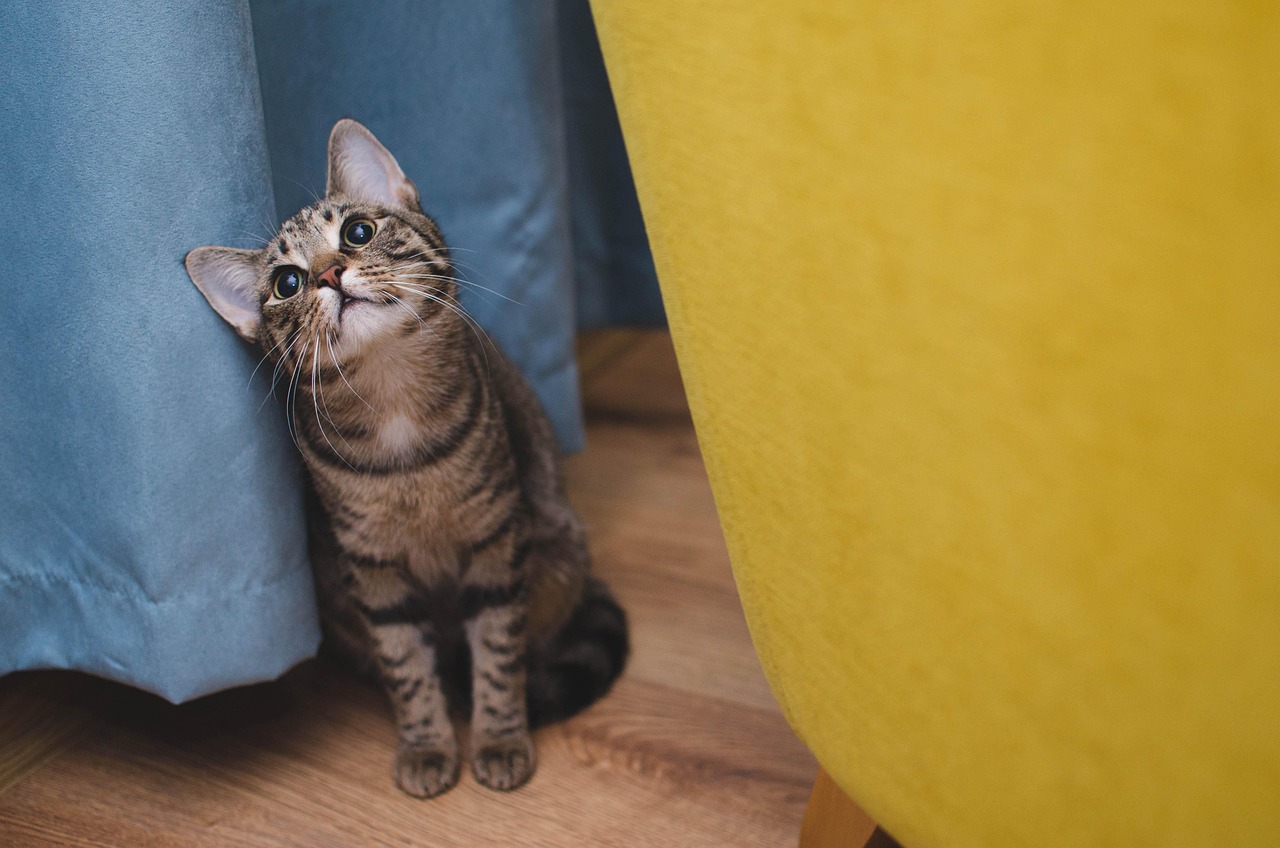

Adopting a rescue cat means inheriting an unknown health history. Here’s how insurance works for rehomed cats, which companies actually cover them, and the one timing mistake that costs owners thousands.
Veterinary service costs have surged over 40% since 2019 — more than four times the general inflation rate. In 2025, 37% of pet owners went into debt from veterinary bills, and two-thirds have already faced at least one surprise expense. The average annual pet insurance cost for cats is now about $435, while a single emergency visit can run $3,000 or more. The enrollment timing gap — most people wait until their rescue cat shows symptoms — is the single most expensive mistake new owners make, and several insurers have now built adoption-specific programs specifically to close it.
A rehomed cat comes with gaps. You may not know what illnesses it’s had, what it was treated for at the shelter, or what’s brewing beneath the surface. Over half of adopted pets show at least one health issue within two days of leaving a shelter, according to a 2025 peer-reviewed study. Standard pet insurance won’t cover conditions that existed before enrollment or that show up during the waiting period — which is exactly when a newly stressed rescue cat is most likely to get sick. But the situation is far better than most people realize: several insurers have built specific programs for rescue and adopted cats that start coverage faster, cover common pre-existing conditions, and waive waiting periods if you enroll within 24–48 hours of adoption. Knowing this before your cat comes home changes everything.
No insurance jargon. No runaround. These are the situations people search at midnight after adopting a cat.
-
1
Can you get pet insurance for a cat that was already sick? Yes — but that illness likely won’t be covered. New conditions will.Almost every insurer will enroll a cat with a known health history — they just exclude the pre-existing conditions from coverage. A cat treated for a respiratory infection at the shelter? That’s excluded. A broken leg it gets two months after enrollment? Covered. This distinction matters enormously: even a cat with chronic conditions benefits from insurance because future, unrelated illnesses and accidents are still covered. The policy protects you from what you don’t yet know is coming — not what’s already in the file.
-
2
When is the absolute best time to enroll a rescue cat? The day you adopt — or within 24 hours if your shelter partners with an insurerThe average age of pets at enrollment dropped from 3.6 years in 2024 to 3.2 years in 2025, reflecting growing awareness that waiting is expensive. Every day you delay, a new symptom can emerge — and whatever shows up before your policy takes effect becomes a permanent exclusion. Several insurers (Fetch most prominently) partner directly with shelters and waive standard waiting periods for cats enrolled within 24 hours of adoption. If your shelter has one of these partnerships, that window is the most valuable 24 hours in your cat’s insurance life. Even without a partnership, enrolling the same week you bring your cat home gives you the strongest starting position.
-
3
How much does cat insurance actually cost per month? Average $32/month · Range roughly $13–$83 depending on age, location, and planThe national average monthly premium for cat accident-and-illness coverage is $32.21, according to the North American Pet Health Insurance Association’s 2025 data. Budget plans from MetLife and Lemonade start as low as $10–$13/month for young, healthy cats. Senior cats, certain breeds (Maine Coon, Persian), and high-cost-of-living locations push premiums to $50–$80+/month. You control the price through three levers: your deductible (higher deductible = lower monthly), your reimbursement rate (70% vs 90%), and your annual limit. A cat insured at $250 deductible, 80% reimbursement, and a $5,000 annual limit hits the middle of the market comfortably.
-
4
What is a “waiting period” and how does it hurt rehomed cats specifically? 14 days for illness · 2–3 days for accidents · Anything that shows up during it is permanently excludedA waiting period is the gap between when you buy the policy and when coverage actually starts. Standard illness waiting periods are 14 days. If your newly adopted cat starts showing signs of a urinary tract infection on day 10 — before coverage kicks in — that condition becomes a pre-existing exclusion going forward, even though the policy was active when symptoms appeared. This hits rescue cats especially hard because shelter stress commonly triggers health issues in the first two weeks. The solution is enrolling immediately and, where possible, choosing a plan or a shelter-partnered insurer that waives the waiting period for adopted pets.
-
5
Can a “curable” pre-existing condition ever be covered? Yes — most major insurers cover curable conditions after 180 symptom-free daysCurable conditions — things like upper respiratory infections, urinary tract infections, ear infections, or sprains — are treated differently from chronic, incurable ones. ASPCA, Spot, Pets Best, and Embrace all cover curable conditions once your cat has been symptom-free and treatment-free for 180 days continuously. AKC Pet Insurance is the outlier — it will cover even some incurable chronic conditions after 365 days of continuous coverage. This “look-back” approach rewards long-term policyholders and creates a real path to eventual coverage for conditions a cat had at adoption.
-
6
Is pet insurance worth it if my rehomed cat already has health issues? Almost always yes — the question is how much future risk you’re willing to self-fundA cat with one known condition — say, a history of dental disease — can still benefit from insurance covering everything else: cancer, kidney disease, accidents, diabetes, hyperthyroidism, broken bones. The dental disease is excluded; the rest of a cat’s possible medical future is not. Emergency vet visits for cats run up to $3,000. Cancer treatment routinely exceeds $4,000–$9,000. The annual cost of a cat policy averages $435. You are not betting whether your cat will ever need a vet. You are deciding whether one unexpected event in an unknown medical history should determine whether your cat can afford treatment.
-
7
Does pet insurance cover pancreatitis in cats? Yes — if it wasn’t diagnosed or showing symptoms before enrollmentFeline pancreatitis is covered under accident-and-illness plans from all major insurers — provided the condition wasn’t present or symptomatic before the policy started. This is the “People also ask” question that tells the whole story about rehomed cat insurance: every chronic condition cats commonly develop (kidney disease, hyperthyroidism, diabetes, IBD, pancreatitis) is insurable going forward, as long as it wasn’t already in the cat’s record when you enrolled. Get a vet exam shortly after adoption, capture that baseline on paper, and your policy has a clear reference point for what was and wasn’t present at enrollment.
-
8
Do cats care if they get rehomed — and does that affect their health at the shelter? Yes, significantly — shelter stress is real and triggers illness, which affects your insuranceCats experience rehoming as a genuine disruption. The 3-3-3 rule (3 days to decompress, 3 weeks to learn the routine, 3 months to show true personality) reflects real behavioral and physiological adjustment periods. Stress suppresses immune function, which is why upper respiratory infections, digestive upset, and litter box issues spike in cats in the first weeks after rehoming. These stress-triggered conditions, if they appear before your insurance waiting period ends, become pre-existing exclusions. This is the clearest possible argument for enrolling your rescue cat in insurance the same day you bring it home — before the shelter stress has a chance to generate medical records.
Not all policies treat rescue or rehomed cats the same. These are the meaningful differences, based on how each company actually handles adoption, pre-existing conditions, and waiting periods.
| Insurer | Best For | Pre-Ex Approach | Cat Cost Range | Adoption Perk |
|---|---|---|---|---|
| 🥇 Fetch | Shelter & rescue cats | Covers 7 common pre-ex conditions from day 1 if enrolled within 24hrs of adoption + curable after 1 policy year symptom-free | ~$22–$50/mo | No wait period |
| 🥇 AKC Pet Insurance | Cats with chronic conditions | Covers some incurable conditions after 365 days continuous coverage — unique in the industry | ~$25–$60/mo | 365-day path |
| 🥈 ASPCA Pet Insurance | Balanced coverage, senior cats | Curable conditions covered after 180 symptom-free days; knee/ligament always excluded if pre-existing | ~$25–$55/mo | 180-day lookback |
| 🥈 Trupanion | Cats with higher ongoing costs | No payout caps per incident; can waive waiting period with vet exam on enrollment day | ~$30–$70/mo | Exam-day waiver |
| 🥈 Embrace | Flexible budget options | Curable conditions covered after 180 days; diminishing deductible rewards claims-free years | ~$10–$30/mo | 180-day lookback |
| 🥉 Spot | Budget-conscious new owners | Curable pre-ex covered after 180 symptom-free days; no age limit on coverage | ~$13–$40/mo | 180-day lookback |
| 🥉 Lemonade | Youngest cats, healthiest records | Strict exclusions — anything emerging during 14-day wait is permanently excluded; best for cats with no prior conditions | ~$10–$35/mo | Strict wait |
| MetLife Pet | Multi-pet households | May continue coverage from prior group plan; 180-day lookback for curable conditions | ~$7–$40/mo | Group transfer |
If your cat has been insured by Company A for three years and develops allergies, those allergies are covered under that policy. The moment you switch to Company B, allergies become a pre-existing exclusion. Permanently. This is why shopping around before enrollment is critical — and why changing providers mid-cat-life is almost always a bad financial decision unless the new plan is dramatically better in every way that matters to your cat’s specific situation.
One emergency hospitalization for a cat — pancreatitis, a urinary blockage, or a swallowed foreign object — costs between $1,500 and $5,000 on average. At $32/month, a full year of coverage costs $384. The math settles itself after any single significant event. For a cat whose full medical history you don’t know, that math matters more, not less.
- Raise your deductible. Moving from a $100 to a $500 annual deductible can cut monthly premiums by 20–30%. If your cat is generally healthy, you’re betting on absorbing the first $500 of any claim — which is manageable for most accidents or minor illnesses.
- Lower your reimbursement rate. Dropping from 90% to 70% reimbursement meaningfully reduces your premium. The trade-off is you pay more of each bill after the deductible. A 70% plan on a $2,000 surgery still pays back $1,050+ after a $500 deductible — which is a significant cushion at lower monthly cost.
- Set a realistic annual limit. An unlimited annual limit sounds appealing but adds cost. For most cats, a $5,000–$10,000 annual limit covers the overwhelming majority of realistic scenarios. True catastrophic expenses (rare surgeries, extended cancer treatment) are where unlimited limits earn their premium.
- Accidents — broken bones, foreign body ingestion, cuts and lacerations, poisoning
- New illnesses — cancer, kidney disease, hyperthyroidism, diabetes, pancreatitis, IBD
- Urinary tract infections and urinary blockages (extremely common in cats)
- Dental illness — some policies (Fetch, Embrace) cover periodontal disease and dental injury; most others cover only dental accidents
- Prescription medications for covered conditions
- Diagnostics — bloodwork, x-rays, MRI, ultrasound for covered conditions
- Emergency and specialist vet visits
- Behavioral disorders — Fetch covers up to $1,000/yr for diagnosis and treatment of new behavioral conditions
- Any condition diagnosed or showing symptoms before enrollment or during the waiting period
- Routine and preventive care — vaccines, annual exams, flea prevention — unless you add a wellness rider
- Pre-existing dental disease (though dental accidents are covered)
- Grooming, nail trims, boarding
- Cosmetic procedures
- Breeding costs and pregnancy
- Conditions caused by neglect or failure to vaccinate (varies by insurer)
- Bilateral conditions — if one side of the body was affected before enrollment, both sides may be permanently excluded by some insurers
Between 50% and 90% of cats over age 4 develop some form of dental disease, according to Cornell University’s College of Veterinary Medicine. Most pet insurance policies cover dental accidents (a broken tooth from a fall) but not dental disease (periodontal disease, tooth resorption). Fetch and Embrace are notable exceptions that cover injury and disease in all adult teeth. For any cat — but especially an older rehomed cat whose dental history you don’t know — dental coverage scope is one of the most financially consequential fine print differences between policies.
These five actions in order protect both your cat and your coverage from the timing traps that cost new owners the most.
Before your cat is home for 24 hours, check whether your adopting shelter has an insurer partnership (most commonly Fetch). If so, enroll that day — waiting periods are waived for shelter partners within 24 hours. If your shelter doesn’t have a partner, pick a plan and enroll anyway. The policy clock starts, your waiting period begins, and nothing your cat shows after enrollment and outside the waiting period can be used against you.
Schedule a wellness visit within the first week. The vet’s notes from this exam become the documented baseline for what was and wasn’t present at enrollment. Some insurers (Trupanion, Figo) will waive the illness waiting period entirely if your vet performs this exam on or before the policy’s enrollment date. A clean bill of health on record is the best insurance document you can have.
Ask the shelter for every veterinary record, vaccination log, and treatment note they have for your cat. These records tell you — and your insurer — what existed before your policy. They help you understand what will be excluded, what might be eligible for the 180-day lookback, and what conditions to watch for given the cat’s history.
Know your policy’s exact waiting period dates and what they cover. Standard: 2–3 days for accidents, 14 days for illness. During those 14 illness days, monitor your cat closely but do not delay vet treatment for actual symptoms — never withhold care to avoid the pre-existing condition label. If your cat gets sick during the wait, treat it and document it. The insurer will exclude the specific condition, but everything else going forward is still covered.
A lapsed policy — even for one month — resets the clock with any new insurer. Every condition your cat developed under the lapsed policy becomes pre-existing to the new one. Continuous coverage from the day of adoption through your cat’s life is how insurance delivers its full value for rehomed cats. If you need to lower costs, reduce coverage levels — don’t cancel.
Use the buttons below to find low-cost vet care, cat-specific clinics, emergency animal hospitals, and pet insurance comparison help near you.
- Enroll the day you adopt. Every day you wait, a new symptom can create a permanent exclusion. For cats adopted from shelter partners, enrolling within 24 hours may waive waiting periods entirely.
- Get a vet exam in the first week. The exam creates a documented baseline. Some insurers waive the illness waiting period if a vet clears your cat on enrollment day. It’s also how you learn what you’re actually dealing with.
- Know the difference between curable and incurable pre-existing conditions. Curable past conditions — infections, minor injuries — can eventually be covered after 180 symptom-free days with most major insurers. Chronic incurable conditions stay excluded unless you’re with AKC, where even some of those clear after 365 days.
- Never switch insurers without mapping your cat’s full condition history first. Every condition your current insurer covers becomes pre-existing to a new one. Switching mid-life without understanding this can eliminate the most valuable parts of your existing coverage.
- Even a cat with pre-existing conditions benefits from insurance. A cat excluded for one known condition can still be covered for everything else — cancer, accidents, new illnesses, dental injury, urinary emergencies. The known risk is excluded; the unknown future risk is exactly what you’re insuring against.
This guide is for general informational purposes only and does not constitute insurance, financial, or veterinary advice. Policy terms, premiums, waiting periods, and pre-existing condition definitions vary significantly by insurer and state. Always read the full policy before purchasing. Premium figures reflect 2025 national averages from NAPHIA and AAHA; individual quotes will vary by pet age, breed, location, and coverage selections. This page has no financial relationship with any insurance company mentioned.