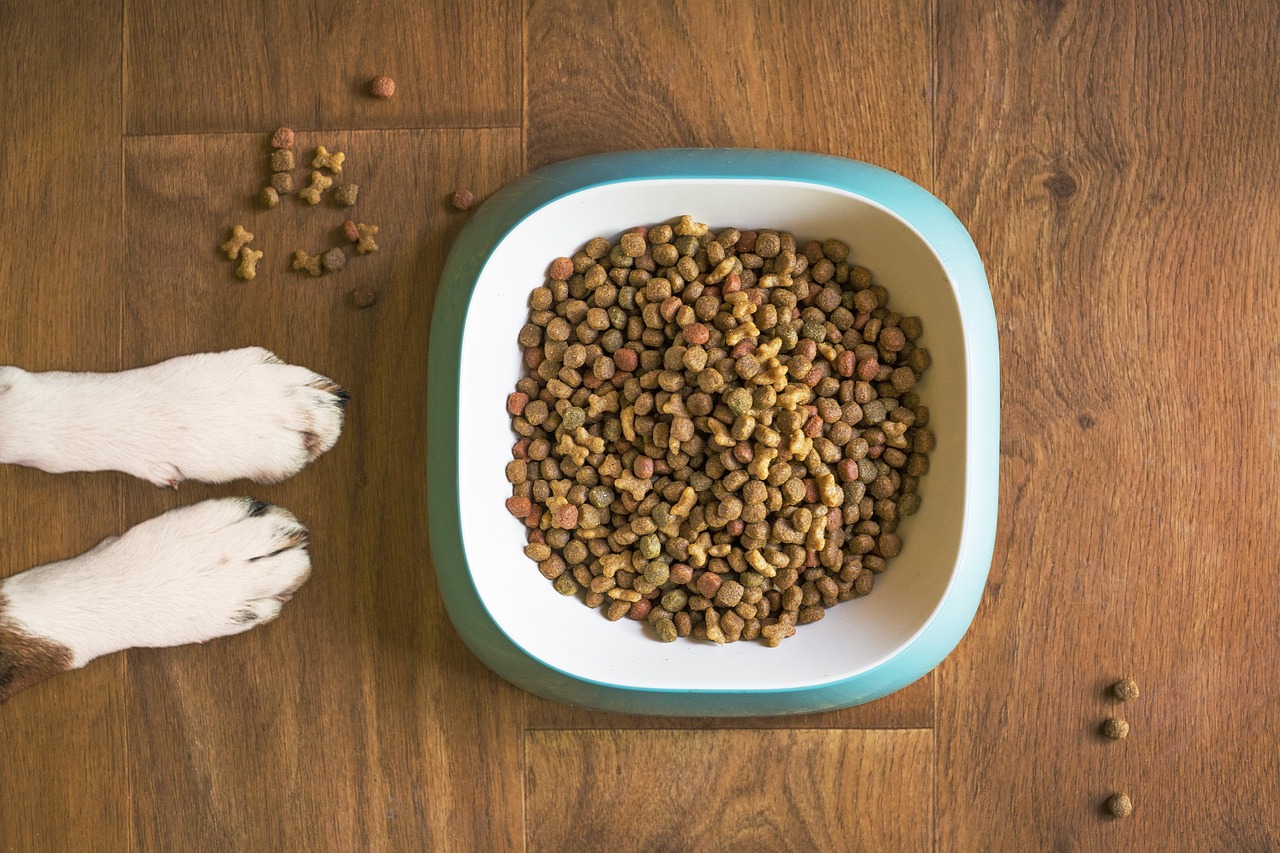

Grain-free dog food was sold to America as a healthier, more natural way to feed dogs. Then the FDA got involved. Then the science got complicated. Then the marketing fought back. Here is what the evidence actually shows — without the agenda of either the grain-free industry or the companies that fund most of the research against it.
A grain-free label tells you what is not in the food: no corn, wheat, rice, barley, oats, or rye. It does not tell you what replaced those grains — and that is the part that matters most. In the majority of grain-free kibbles on the market, grains are replaced by peas, lentils, chickpeas, and other legumes, often in quantities large enough that they appear multiple times within the first five ingredients. That substitution is at the center of the ongoing heart disease investigation. A food can be grain-free and still be nutritionally complete. A food can be grain-free and still be potentially problematic. The word “grain-free” tells you almost nothing about whether a food is actually good for your dog — it is a marketing claim, not a nutritional one. What matters is the complete ingredient profile, the AAFCO certification, and whether the company has conducted real feeding trials.
These are the highest-searched questions about grain-free dog food — given honest, evidence-based answers without industry spin from either side.
-
1
Is grain-free dog food really better? For most dogs: No · For dogs with confirmed grain intolerance or specific allergies: possibly · “Better” is not what grain-free labels mean — they are a marketing category, not a medical oneThe idea that grains are bad for dogs is not supported by veterinary nutrition science. Dogs have been eating grain-containing food for thousands of years and have the digestive enzymes to process cooked grains efficiently. Grains provide energy, fiber, essential fatty acids, B vitamins, and minerals — none of which are “fillers” in any meaningful nutritional sense. The word “filler” on pet food marketing material is itself a red flag: it has no regulatory definition and is used purely to suggest that grain-inclusive foods are nutritionally inferior. For a dog without a diagnosed food sensitivity, switching from a grain-inclusive food to a grain-free one does not improve health outcomes and — depending on the formulation — may introduce the legume-heavy ingredient profile the FDA has been investigating for cardiac risk since 2018.
-
2
Why don’t vets like grain-free dog food? The DCM investigation · Grain-free foods not proven superior for dogs without grain allergies · Most grain-free formulas replace grains with high-legume ingredients under ongoing research scrutinyThe short answer is that the FDA’s investigation into dilated cardiomyopathy — a heart muscle disease that weakens the heart’s ability to pump blood — found that over 90% of implicated cases involved grain-free diets, and 93% contained peas and/or lentils as primary ingredients. DCM was appearing in breeds like Golden Retrievers and Labrador Retrievers that are not genetically prone to the disease, which was the signal that prompted the investigation. It is important to be honest about the nuances: the FDA never proved causation, the mechanism remains unclear, and some researchers have challenged the methodology of how cases were reported and collected. But a generation of veterinary cardiologists who watched unexpected DCM cases resolve when dogs were switched off grain-free diets take that pattern seriously — and that is why most vets do not routinely recommend grain-free unless there is a clinical reason. The honest position in medicine, when something is associated with a bad outcome but causation is unproven, is caution — not dismissal.
-
3
Does grain-free dog food cause heart problems? The FDA investigated this from 2018 and found a strong association between high-legume grain-free diets and DCM · Causation was never proven · The link appears to be legume quantity, not grain absence · Research is ongoingThis is where the science sits, as honestly as it can be stated. Between 2014 and 2022, the FDA received 1,382 reports of DCM in dogs, the majority between 2018 and 2020 following their public announcement of the investigation. More than 90% of implicated diets were grain-free, and most contained peas and/or lentils prominently. The FDA paused public updates in 2022, stating the investigation was ongoing and that the link was complex, potentially involving multiple factors including genetics, bile acid metabolism, gut microbiome changes, and carnitine and taurine availability. In 2025, a peer-reviewed 18-month feeding trial found no cardiac changes in dogs eating complete and balanced grain-free diets. In 2024, a separate study found increased arrhythmias in dogs eating high-pulse diets. The honest summary: the problem, if there is one, is not grains versus no grains — it is the proportion of pulse ingredients (peas, lentils, chickpeas) in the formulation. That distinction matters because some grain-inclusive foods also use high legume levels, and some grain-free foods use modest amounts.
-
4
Is grain-free good for dogs with allergies? Only if the allergen is a grain — which is less common than most people think · True grain allergies in dogs are rare · Most dog food allergies involve proteins: beef, chicken, dairy, egg · An elimination diet is needed to identify the actual triggerFood allergies in dogs typically manifest as skin symptoms — itching, chronic ear infections, licking paws — or digestive symptoms like chronic loose stools. The most common triggers are animal proteins: beef, chicken, dairy, and egg account for the majority of confirmed food allergies in dogs. Grain allergies exist but are genuinely uncommon. If your dog is showing signs of a food reaction, the only reliable way to identify the actual trigger is a veterinary-supervised elimination diet using a novel protein and carbohydrate source your dog has never eaten before. Switching to a grain-free food that contains chicken is unlikely to help a dog who is reacting to chicken. And switching to a grain-free food that contains a high proportion of peas and lentils introduces its own considerations. If a food allergy is your concern, talk to your vet about a proper elimination protocol rather than assuming grain is the problem.
-
5
What is the best dog food for pancreatitis — does grain-free help? The most important factor for pancreatitis is fat content, not grain content · Food must be under 10–15% fat on a dry matter basis · Grain-free can work if the fat is genuinely low · Best options include Purina EN Low Fat, Hill’s i/d Low Fat, Royal Canin GI Low Fat (all prescription), and Annamaet Lean (OTC)Pancreatitis in dogs — inflammation of the pancreas — is triggered primarily by dietary fat, not by grains. The pancreas produces digestive enzymes that break down fat; when it is inflamed, high-fat meals cause those enzymes to activate prematurely and begin digesting the organ itself. A dog with pancreatitis needs food with fat below 10–15% on a dry matter basis. Whether that food contains grain is secondary. There are good grain-free options for pancreatitis management — Annamaet Lean Low Fat at 7.8% fat is the most recommended over-the-counter grain-free choice. There are also excellent grain-inclusive options: Purina Pro Plan EN Gastroenteric Low Fat, Hill’s Prescription Diet i/d Low Fat, and Royal Canin Gastrointestinal Low Fat are the three most frequently prescribed, all requiring a vet prescription. The choice between grain-free and grain-inclusive for a pancreatitis dog should be driven by fat percentage, digestibility, and your dog’s tolerance — not by the grain-free label.
-
6
What is grain-free dog food without legumes? A small but growing niche — grain-free foods that use non-legume carbohydrates like white potato, sweet potato, tapioca, or squash instead of peas and lentils · These sidestep the DCM concern while remaining grain-freeIf your dog genuinely cannot tolerate grains, and you want to avoid the high-legume ingredient profile associated with the DCM investigation, there is a middle path: grain-free foods that use starchy vegetables rather than pulse crops as their carbohydrate source. White potato, sweet potato, tapioca (cassava), pumpkin, and squash are all used as carbohydrate sources in some grain-free formulas without the legume-heavy ingredient list that drew the FDA’s attention. These are not universally superior foods — potato-heavy grain-free diets can be high in glycemic load, which matters for overweight or diabetic dogs. But for dogs who need to avoid both grains and legumes, this formulation approach exists and is worth asking your vet about.
-
7
How do I know if my dog actually needs grain-free food? Your dog needs grain-free food only if: (1) a vet has confirmed a grain allergy through elimination diet, or (2) your vet has recommended it for a specific medical condition · Most dogs eating grain-free food do not need itThe most useful question is not “does grain-free food look healthier on the label?” but “has my vet confirmed that my dog has a reason to avoid grains?” The vast majority of dogs eating grain-free food today are doing so because their owners were persuaded by marketing that grains are harmful fillers — not because a veterinarian identified a clinical need. Signs that might prompt a conversation about grain exclusion with your vet: persistent skin issues that have not responded to other interventions, chronic gastrointestinal symptoms after trying multiple grain-inclusive foods, and a diagnosis of IBD or another condition where a vet-supervised elimination diet is part of the treatment plan. If none of those apply, the clinical rationale for grain-free food is thin for most individual dogs, and the potential for a high-legume formulation to create cardiac risk — however uncertain that risk remains — adds another reason not to switch without a clinical reason.
-
8
What is the best non-grain-free dog food? Which vet-recommended brands stand out? Purina Pro Plan, Hill’s Science Diet, and Royal Canin are the three most consistently vet-recommended grain-inclusive brands · All conduct AAFCO feeding trials · All employ board-certified veterinary nutritionists · All are supported by peer-reviewed researchWhen veterinary nutritionists are asked what they feed their own dogs, three brands appear at the top of the list repeatedly: Purina Pro Plan, Hill’s Science Diet, and Royal Canin. These companies share specific characteristics that separate them from the field: they employ PhD-level nutritionists full-time, they conduct AAFCO feeding trials with real dogs eating the food rather than relying on computer-modeled nutrient profiles, and their formulations are backed by decades of peer-reviewed research. They are not the most expensive foods on the market — which is exactly part of why nutritionists recommend them. Premium price and premium nutrition are poorly correlated in pet food. IAMS Proactive Health is the strongest budget grain-inclusive option backed by AAFCO trials. Before spending significantly more on a grain-free boutique brand with beautiful packaging but no feeding trial history, these four are the baseline to compare against.
The grain-free question does not have one answer for all dogs. Here is how to think through it based on your dog’s actual situation.
This is the most important thing to understand before making a grain-free decision. Here is what the science says and what it doesn’t.
Dilated cardiomyopathy is a disease where the heart muscle becomes thin and weak, reducing its ability to generate the pressure needed to pump blood effectively. The chambers of the heart enlarge as the walls thin. In severe cases, it leads to congestive heart failure. Some breeds — Doberman Pinschers, Great Danes, Boxers, Irish Wolfhounds — are genetically predisposed to DCM. What caught the FDA’s attention starting around 2018 was the appearance of DCM in breeds like Golden Retrievers, Labrador Retrievers, and mixed breeds that are not genetically prone to the disease — and a striking commonality in what those dogs were eating.
Between 2014 and November 2022, the FDA received 1,382 reports of DCM in dogs. More than 90% of the implicated diets were grain-free, and 93% contained peas and/or lentils as primary ingredients. The FDA named 16 brands that appeared most frequently in reports, including Acana, Zignature, Taste of the Wild, 4Health, Earthborn Holistic, and Blue Buffalo. Critically, the FDA never established causation. The mechanism — whether it involves taurine deficiency, altered bile acid metabolism, gut microbiome disruption, carnitine availability, or some combination — has not been definitively identified. In December 2022, the FDA stated it would pause public updates until meaningful new science was available. Some in the pet food industry and the grain-free advocacy community interpreted this pause as exoneration. It was not. The investigation remains open and research continues.
A 2025 study in the Journal of Animal Science found no clinically significant cardiac changes in adult dogs eating complete and balanced grain-free diets over 18 months — but notably, the grain-free diets in this study were formulated with moderated legume levels, not the high-pulse formulations most common in the commercially sold foods implicated in DCM reports. A 2024 study found significantly more ventricular arrhythmias in Irish Wolfhounds eating high-pulse diets compared to those eating low-pulse diets. The current best-supported conclusion: the concern is not grain-free versus grain-inclusive in absolute terms — it is the proportion of pulse ingredients (peas, lentils, chickpeas) in the diet. High-legume grain-free kibbles carry more uncertainty than moderate-legume ones. A well-formulated grain-free food with modest legume use, backed by feeding trials, appears to be a different risk category than a heavily legume-forward boutique formula with no feeding trial history.
What you are actually comparing when you choose between these two food types — beyond the marketing.
| Factor | Grain-Free | Grain-Inclusive |
|---|---|---|
| Cardiac risk concern | ⚠️ Associated with DCM in high-legume formulas — causation unproven but under research | ✅ No association identified — grains not implicated |
| Vet recommendation frequency | ✗ Rarely recommended proactively by veterinary nutritionists | ✅ Purina Pro Plan, Hill’s, Royal Canin are most frequently vet-recommended |
| AAFCO feeding trials | ⚠️ Many boutique grain-free brands use formula approach only — no live trials | ✅ Top brands (Purina, Hill’s, Royal Canin, IAMS) all conduct live feeding trials |
| Food allergy management | ✅ Appropriate if grain is confirmed allergen (uncommon) | ✅ Appropriate for most dogs — protein is more often the allergen |
| Pancreatitis management | ✅ Works if fat is under 10–15% DM basis (verify the label) | ✅ Works well — top prescription options are grain-inclusive |
| Typical cost | ⚠️ Often 20–40% more expensive than equivalent grain-inclusive options | ✅ More affordable — top vet-recommended brands are mid-range priced |
| Nutritional completeness | ✅ Can be complete and balanced — AAFCO statement required | ✅ Can be complete and balanced — AAFCO statement required |
| Carbohydrate source | ⚠️ Usually peas, lentils, chickpeas — high-glycemic potato in some | ✅ Rice, barley, oats — well-tolerated, researched for decades |
If you are reconsidering grain-free, these are the grain-inclusive options with the strongest nutritional science backing — organized by need.
The baseline recommendation from most board-certified veterinary nutritionists is Purina Pro Plan Chicken & Rice for adult dogs. Real chicken first, grain-inclusive with rice, live probiotic cultures, DHA from fish oil, and the most extensive AAFCO feeding trial history of any dog food in the U.S. market. Hill’s Science Diet and Royal Canin are the other two most frequently cited. These companies have more PhD-level nutritionists and veterinary researchers on staff than any other brands in the category. None are the most expensive options on the shelf — that is a feature, not a bug.
For dogs who have already been diagnosed with DCM or who are on grain-free and showing cardiac symptoms, veterinary prescription diets are the standard of care: Royal Canin Early Cardiac, Hill’s h/d Heart Care, and Purina Pro Plan CardioCare are specifically formulated with low sodium, taurine supplementation, L-carnitine, and omega-3 fatty acids for cardiac support. These require a vet prescription. If you are simply switching a healthy dog off grain-free as a precaution, a standard grain-inclusive food from one of the top three vet-recommended brands is sufficient — no prescription needed.
If your dog has a confirmed grain sensitivity and you need a grain-free option, prioritize: AAFCO feeding trial evidence on the label (not just “formulated to meet”), and a formula where peas and lentils are not in the first three to five ingredients. Wellness Complete Health Grain-Free (using oat alternatives and modest legumes) and Merrick Grain-Free Limited Ingredient formulas are among the more responsibly formulated options. Still, discuss with your vet, particularly if you have a large breed dog, and consider periodic cardiac monitoring as a reasonable precaution.
Use these buttons to find local veterinarians, veterinary nutritionists, and pet food stores near you.
If your dog has been eating a grain-free diet with high legume content for more than a year — particularly if they are a Golden Retriever, Labrador, mixed breed, or another non-traditionally-affected breed — these are the early signs of DCM to know: reduced exercise tolerance or tiring more quickly than usual on walks; increased breathing rate at rest; occasional coughing, especially at night; distended or bloated-looking abdomen; weakness or fainting episodes. DCM is often silent until it is advanced, which is why veterinary cardiologists recommend periodic echocardiogram screening for dogs who have been on high-legume grain-free diets long-term. If you notice any of these signs, contact your vet the same day rather than waiting.
- Step 1: Check whether your dog’s current food has an AAFCO statement that says “complete and balanced for [life stage] based on AAFCO feeding trials.” If it says “formulated to meet” instead, the food has only been modeled on paper — no real dogs ate it in a controlled trial. Feeding trial evidence is a meaningful quality signal, regardless of grain content.
- Step 2: If your dog shows skin symptoms, chronic ear infections, or gastrointestinal distress you suspect may be food-related, ask your vet to supervise an elimination diet. Do not assume grain is the cause — protein sources are more commonly the trigger. An elimination diet identifies the actual allergen.
- Step 3: If you are currently feeding a grain-free food heavy in peas and lentils (appearing multiple times in the first five to six ingredients), discuss with your vet whether a cardiac baseline check — particularly an echocardiogram — is appropriate, especially for large breeds.
- Step 4: If you want to switch from grain-free to grain-inclusive, transition over 10–14 days. Mix 25% new food with 75% old for three days, then 50/50 for three days, then 75% new for three days, then fully switch. Rushing the transition causes digestive upset that owners often mistake for a food reaction.
- Step 5: Before spending significantly more on a boutique grain-free brand with appealing marketing, check whether it has AAFCO feeding trial history (many do not) and whether its main carbohydrate sources are heavy in pulse legumes. A feeding-trial-backed, grain-inclusive food from Purina, Hill’s, or Royal Canin at a lower price point is almost certainly the more nutritionally validated option for most dogs.
This guide is for general informational and educational purposes only and does not constitute veterinary dietary advice. Individual dogs have unique nutritional needs based on breed, size, health status, age, and activity level. Always consult a licensed veterinarian or board-certified veterinary nutritionist before significantly changing your dog’s diet, especially if your dog has a diagnosed health condition. The DCM and grain-free diet investigation is an active area of research; information may evolve as new peer-reviewed studies are published. This page has no financial relationship with any pet food company mentioned herein.
Featured image: Photo by mattycoulton on Pixabay · Pixabay Content License